
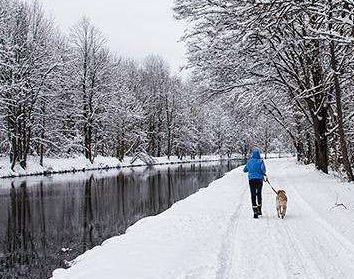
 Winter doesn’t have to stop you from getting outside. With the proper knowledge, gear, and companions, winter can be a great time to experience the outdoors.
Whether you’re into snowshoeing, fishing, birding, or skiing, here are some tips on how to get out this winter.
Snowshoeing: When there’s snow on the ground, you’ll likely need snowshoes or other “over the shoe” devices to help gain traction and prevent postholing. Before purchasing snowshoes, check out snowshoeing events at one of DEC education centers. All DEC trails are open to snowshoeing, but some areas might be better suited for it than others, visit their snowshoeing page to learn more.
Birding: Even in winter, birds can be found throughout the State. Along with the birds in our community parks, backyards, and neighborhoods, many birds visit for the winter from their northern breeding grounds.
The Great Lakes, Adirondacks, and Long Island become home to unique finches and waterfowl in winter. To find places to observe birds, visit the New York State Birding Trail. Stay tuned for the start of the I BIRD NY Challenge on March 1.
You can also read about birding at the New York Almanack.
Ice Fishing: It requires the proper gear and safety considerations, but this activity can be a great way to extend your fishing season to the winter months. To get started, visit DEC’s Ice Fishing webpage and consider going with a guide or someone who has gone ice fishing before.
Always check local ice conditions to ensure the ice is safe for fishing — a minimum of three to four inches of solid ice is the general rule for safety for people to cross ice.
The requirement for a freshwater fishing license is waived during free fishing days on February 14–15, 2026.
You can also read about ice fishing at the New York Almanack.
Cross-country Skiing: Cross-country skiing can take place on all DEC trails, but some trails are more suited for skiing than others. Cross-country skiing requires skis, boots, bindings, poles, and the proper clothing. Since you’ll be generating a lot of heat once you’re skiing, it’s best to wear non-cotton clothing in layers.
Find out more about cross-country skiing by visiting DEC’s cross-country skiing webpage. You can also read about cross-country skiing at the New York Almanack here.
February 15 Canalway Challenge: The Erie Canalway National Heritage Corridor hosts the free February 15 Canalway Challenge. Participants pledge to complete 15 miles walking, running, hiking, snowshoeing, or cross-country skiing anywhere within the Erie Canalway National Heritage Corridor by the end of February to earn rewards, including 15-miler crew socks, sticker, and magnet.
Camp Santanoni Winter Weekends: Camp Santanoni Winter Weekends invite visitors to enjoy winter recreation and exclusive winter access to the preserved buildings of the former Adirondack Great Camp.
Three Winter Weekend events are hosted annually at Camp Santanoni, excellent opportunities for intermediate winter outdoor recreationists to take in the natural beauty of the Adirondacks while learning more about the area’s cultural heritage.
Camp Santanoni provides a 9.8-mile round trip cross-country ski excursion. Upcoming events are being held February 14-15 and March 14-15. Learn more here.
Free Learning Clinics: DEC offers learn to cross-country ski, snowshoeing, and ice fishing clinics at select times during the winter months. To find an event, visit their events webpage.
Stay Warm: Staying warm during the winter months is essential for preventing hypothermia and frostbite when spending time outdoors. Start with wearing the proper clothing — layers of non-cotton clothing.
Cotton does not wick moisture, which can lead to a dangerous situation in the cold. Stick to blended clothing items and include wool or fleece to help retain heat. Thick socks, mittens or gloves, and a winter hat will help keep extremities warm, but adding waterproof, insulated boots is extremely helpful.
A neck gaiter or scarf can help button up those exposed areas, trapping heat and keeping cold air out. As you move through the snow, across the ice, or in the ski tracks, you’ll likely warm up, so have a place to store those extra layers.
Hand and toe warmers, a thermos with a warm beverage, and an extra change of clothes in a dry bag are a few more tips to keep you warm and prepared this winter.
Read more about winter sports in New York State.
Source link