 In 2027, New York State will recognize the 200th anniversary of the end of legalized slavery in the state (1827) and the 400th anniversary of the arrival of the first Africans enslaved in the former New Netherland colony (1627).
The New York State Office of Parks, Recreation and Historic Preservation (State Parks) is working with partners across the state to share new research and resources that explore early Black American history in New York as part of its “Enslavement to Freedom: 1627-1827-2027” initiative.
Collaborations include exhibition displays with the Office of General Services, educational resources with ConsidertheSourceNY.org, events and programs, and traveling exhibitions available for non-profit and educational organizations throughout the state.
During this multi-year interpretive initiative State Parks and relevant state historic sites are planning to will develop exhibits, public programs, and other educational resources.
These are expected to explore New York’s history with the institution of slavery and a pivotal period of transition for the Black community in early New York, which gives better context and understanding for later historic movements, like Abolition and the Underground Railroad.
To honor Black History Month, the Office of General Services (OGS) will debut two new State Parks traveling banner exhibitions in the Concourse at the Empire State Plaza in Albany that highlight the ongoing work of the initiative.
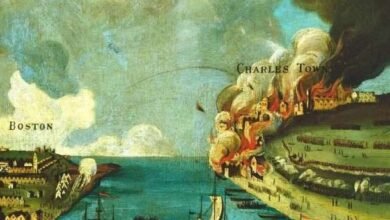
The exhibitions on view this February include “Another Face of War: Enslaved and Free Blacks in the Revolution” and “Many and Varied Hands: The Work and Labor of the Enslaved.”
They are part of a larger exhibition series that shares the latest research on Black history in New York’s Colonial and Early National periods. In 2025, OGS hosted the first two traveling banner exhibits of the series, including “Poisonous Seeds: The Dutch and the Institution of Slavery in New York and Redefining” the “Family: One Descendant’s Journey into History.”
Launching last year as part of a special edition of New York Archives Jr! magazine, “Slavery and the Wheat Economy” is a free online and print educational resource available through Consider the Source NY that was developed in collaboration with partners State Parks, Schenectady County Historical Society (Mabee Farm Historic Site), and Historic Hudson Valley (Philipsburg Manor Upper Mills).
The printed and online booklet explores how early New York’s wheat was grown and processed by enslaved persons and sold by their enslavers as a cash crop to feed thousands of enslaved people on sugar plantations in the Caribbean and the West Indies.
Designed for use in the classroom, there is an 11 minute companion video which begins with State Parks’ Interpreter of African American History Lavada Nahon demonstrating how to cook “Best Pancakes” from an historic recipe.
State Parks is also inviting educational and nonprofit organizations to host one or more of the four available traveling banner exhibitions: 1) Poisonous Seeds: The Dutch and the Institution of Slavery in New York 2) Redefining the Family: One Descendant’s Journey into History 3) Another Face of War: Enslaved and Free Blacks in the Revolution and 4) Many and Varied Hands: The Work and Labor of the Enslaved.
Compact enough to be displayed in various environments, the traveling exhibitions tell stories from the past that center Black experience and share information about Black history in early New York.
“Enslavement to Freedom: 1627-1827-2027” resources and activities are expected to continue to be developed and shared with the public over the next several years. For up-to-date information about this and other Black history initiatives at State Parks – including how to request the “Enslavement to Freedom” traveling banner exhibitions visit this website.
Throughout the month of February, State Parks interpretive staff and environment educators are also planning to host educational events and programs at state parks and historic sites throughout New York.
A list of events is available here.
New York Almanack is following the efforts to mark the 200th Anniversary of the End of Slavery in New York here.
Source link