If an invitation says black tie optional and you’re unsure what that means for your dress, you’re not behind. This is one of the most misunderstood dress codes we see. The short version is simple. You’re expected to dress formally, with room to choose how far you take it. A gown works. A refined midi can work. Even an elevated cocktail dress can work, if it feels like evening.
We help women navigate this question every season. Weddings, galas, milestone birthdays, charity events. The confusion is always the same. The goal is never to achieve perfection. It’s confidence. You want to walk into the room knowing you belong there.
Why Hosts Use the Term “Black Tie Optional”
Most hosts choose black tie optional for one reason. They want the event to feel elegant without putting pressure on guests.
Formal dress codes can feel limiting. Not everyone owns a floor-length gown. Not everyone wants one. According to Brides, couples and event hosts often choose black tie optional to keep the tone elevated while allowing guests flexibility in silhouette and budget.
This dress code signals intention. The event will be formal. Photos will be taken. The setting will likely be polished. At the same time, guests are trusted to interpret that formality in a way that suits them.
How Black Tie Optional Differs From Black Tie and Formal
Black tie has clear expectations. Long gowns. Luxe fabrics. A very traditional approach to eveningwear.
Formal gives you more breathing room. Depending on the event, cocktail dresses sometimes appear.
Black tie optional sits between the two. Vogue describes it as eveningwear with flexibility, which matches what we see in real life dressing rooms.
The room will still lean formal. You want your dress to match that energy. You also get to decide how structured, dramatic, or minimal your look feels.
What You Should Wear to a Black-Tie Optional Event
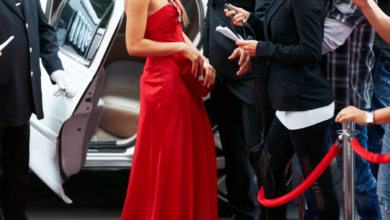
If you want the safest answer, here it is: a floor-length gown always works. It never feels out of place in this setting. That said, it’s not your only strong option.
Floor-Length Gowns
Gowns are ideal for evening events, ballroom venues, winter weddings, and classic settings. Look for fabrics that move well and hold their shape. Satin, chiffon, crepe, velvet, silk blends. Details matter more than excess. A clean neckline, thoughtful draping, confident fit.
This is the choice many women make when they want zero second-guessing.
Formal Midi Dresses
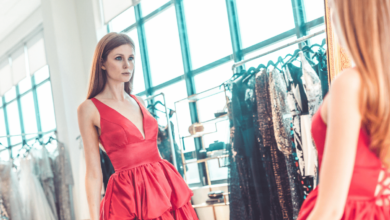
A formal midi can be beautiful at black tie optional events. The key is how it’s made. Structured bodices, fluid skirts, elevated fabrics. These dresses feel intentional. They photograph well. They also offer ease for women who want formality without the weight of a gown.
This option works especially well for city weddings, art venues, and transitional seasons.
Elevated Cocktail Dresses
Yes, cocktail dresses can work here. They need to feel like evening gowns, though, and this is a very important distinction. Go for refined silhouettes, rich fabrics, thoughtful details. Avoid anything that feels daytime or casual.
At New York Dress, we often guide customers to ask one simple question. Would this dress look at home after sunset? If the answer is yes, you’re on the right track.
Length alone doesn’t define formality. Fabric, structure, and styling do the heavy lifting.
What to Avoid, Even With the Flexibility
Flexibility doesn’t mean casual.
Day dresses, cotton fabrics, jersey knits, casual prints. These pieces feel out of place at black tie optional events. Very short hemlines can also miss the mark, especially in formal venues.
According to The Knot, guests are more likely to regret underdressing at black tie optional weddings than overdressing.
If you’re choosing between two dresses, the one that feels more evening is usually the right call.
How Venue, Time, and Season Shape Your Choice
Context matters more than most dress codes admit.
Evening events call for deeper tones, richer fabrics, and more polish. Ballrooms and hotels lean traditional. Outdoor or destination events allow lighter materials and softer palettes, as long as the look still reads formal.
Season plays a role too. Velvet and satin feel natural in fall and winter. Chiffon, silk blends, and lighter satins shine in spring and summer. These choices help your dress feel aligned with the event, not just appropriate on paper.

Styling and Accessories That Complete the Look
Black tie optional dressing comes together in the details.
Shoes
Heels are standard, but comfort matters. A classic pump, an elegant sandal, or a refined block heel all work. The shoe should feel deliberate, not distracting.
Jewelry
Choose one focal point. Statement earrings. A cuff bracelet. A refined necklace. Let the rest stay quiet. Over-accessorizing can compete with an otherwise elegant dress.
Hair and Makeup
Finished is the goal. Soft waves, polished updos, clean chignons. Makeup should feel intentional. A bold lip or defined eye paired with balanced skin creates confidence.
Wraps and Layers
A tailored wrap or evening jacket adds warmth and polish. This detail often elevates the entire look, especially in formal venues.
Why Black-Tie Optional Works When You Let It
This works when you stop trying to decode it word by word. It isn’t asking you to solve anything. It’s setting a tone. The room will be dressed up. People will have made an effort. That’s the part you need to meet. Everything else is adjustment.
We see this all the time. Someone comes in convinced they’re already underdressed or overdressed, before they’ve even tried anything on. Once they do, the anxiety usually fades. Not because the dress code suddenly makes sense, but because the dress does. It fits. It moves well. It feels appropriate for the space they’re going into.
A good place to start is evening wear. Formal dresses too. From there, the details narrow things naturally. A ballroom asks for something different than a coastal venue. A winter event carries more weight than a summer one. These aren’t rules. They’re signals. When you follow them, your choice starts to feel obvious.
The most telling difference is comfort. You can see it immediately. A woman who feels right in her dress stands differently. She stops adjusting the straps. She stops checking the mirror. That ease reads as polish, even before accessories or heels enter the picture.
Finding a Black-Tie Optional Dress That Feels Right
Finding the right dress for a black-tie optional event usually takes less guesswork than people expect. Once you stay in the evening category, most wrong turns disappear on their own. The focus shifts to how the dress is made and how it sits on your body. Fabric. Structure. Movement. Those details matter more than ticking off a specific length.
Some women feel most confident in a long gown. Others prefer the balance of a midi or a structured cocktail dress. Both choices can work. What doesn’t work is wearing something that feels borrowed or forced. That tension shows.
The best indicator is simple. When you put the dress on, does it feel like you could enjoy the evening in it? Sit, stand, move, talk, eat, dance. If the answer is yes, you’re close. If you’re already negotiating with the dress in the fitting room, keep looking.
The dress code leaves room for personal style. The goal isn’t to disappear into the dress code. It’s to meet it, comfortably and confidently, and then forget about it once the night begins.
Source link