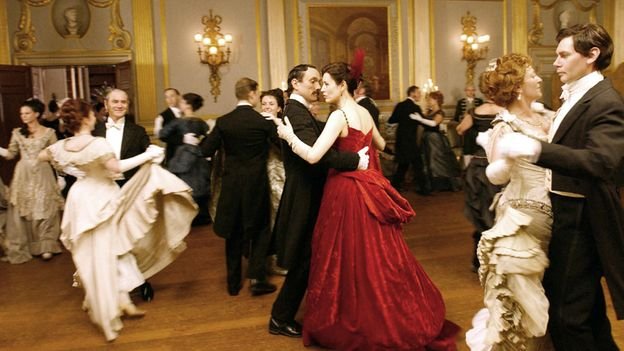
Galsworthy’s writing career spanned the first three decades of the 20th Century and in 1932, he won the most prestigious literary award of all, the Nobel Prize “for his distinguished art of narration which takes its highest form in The Forsyte Saga”, said the judges.
Gill Durey, honorary associate professor at Edith Cowan University in Western Australia and the author of a book about Galsworthy, says he was a worthy recipient of the prize. “He is a realist writer, writing about issues considered modern in his era,” she says. “The novels are very readable, the characters well drawn and distinctive. The focus is on relationships and the difficulties encountered in life. The main characters are the wealthy Forsytes, but ordinary people’s struggles feature, too.”

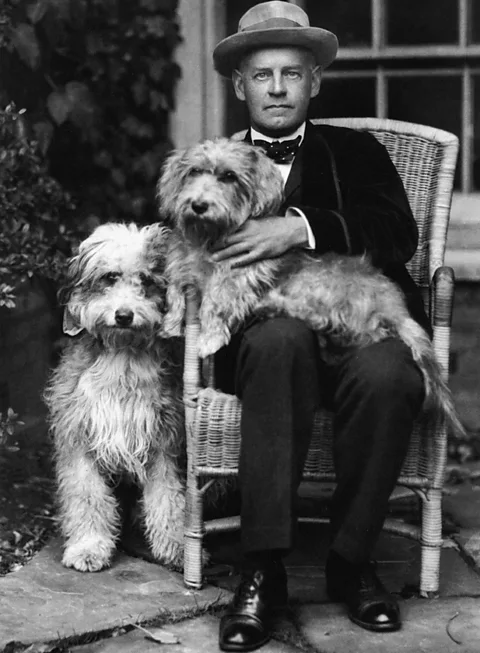 Alamy
AlamyDurey points out that writers from a different literary tradition didn’t rate Galsworthy and were critical of his work. “The Modernists – Virginia Woolf, Rebecca West, DH Lawrence, James Joyce – were furious about Galsworthy’s Nobel Prize and tried to denigrate him,” she says. Yet The Forsyte Saga has nevertheless proved to be an exceptionally enduring tale, that is still pertinent today.
The British Gilded Age
The first Forsyte novel, published in 1906, is called The Man of Property. This is about Soames Forsyte, a wealthy London solicitor. He and his beautiful but emotionally distant wife, Irene, are at the heart of the story, which features four generations of the family.
Source link