In stark black and white, this fact-based drama opens with us eavesdropping on what would become a milestone jazz trio recording. June 1961, pianist Bill Evans heads up a serene Sunday afternoon session at New York’s storied club the Village Vanguard. A repeated two-note figure from bassist Scott LaFaro sets the agenda, keyboards and drums slinkily, seamlessly working around it in the classic number ‘Jade Visions’. Seriously cool. Evans’ particular haunted lyricism had already shone on 1959’s ‘Kind of Blue’, the Miles Davis disc fêted way beyond the jazz cognoscenti. Here Evans is setting down foundations to make his own musical history. Until, that is, “Scotty”, his key musical collaborator, dies in a car crash weeks later while driving home from a gig.
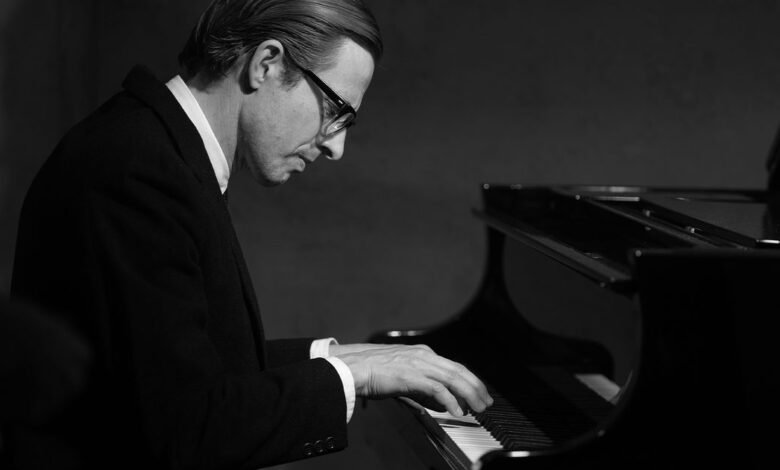
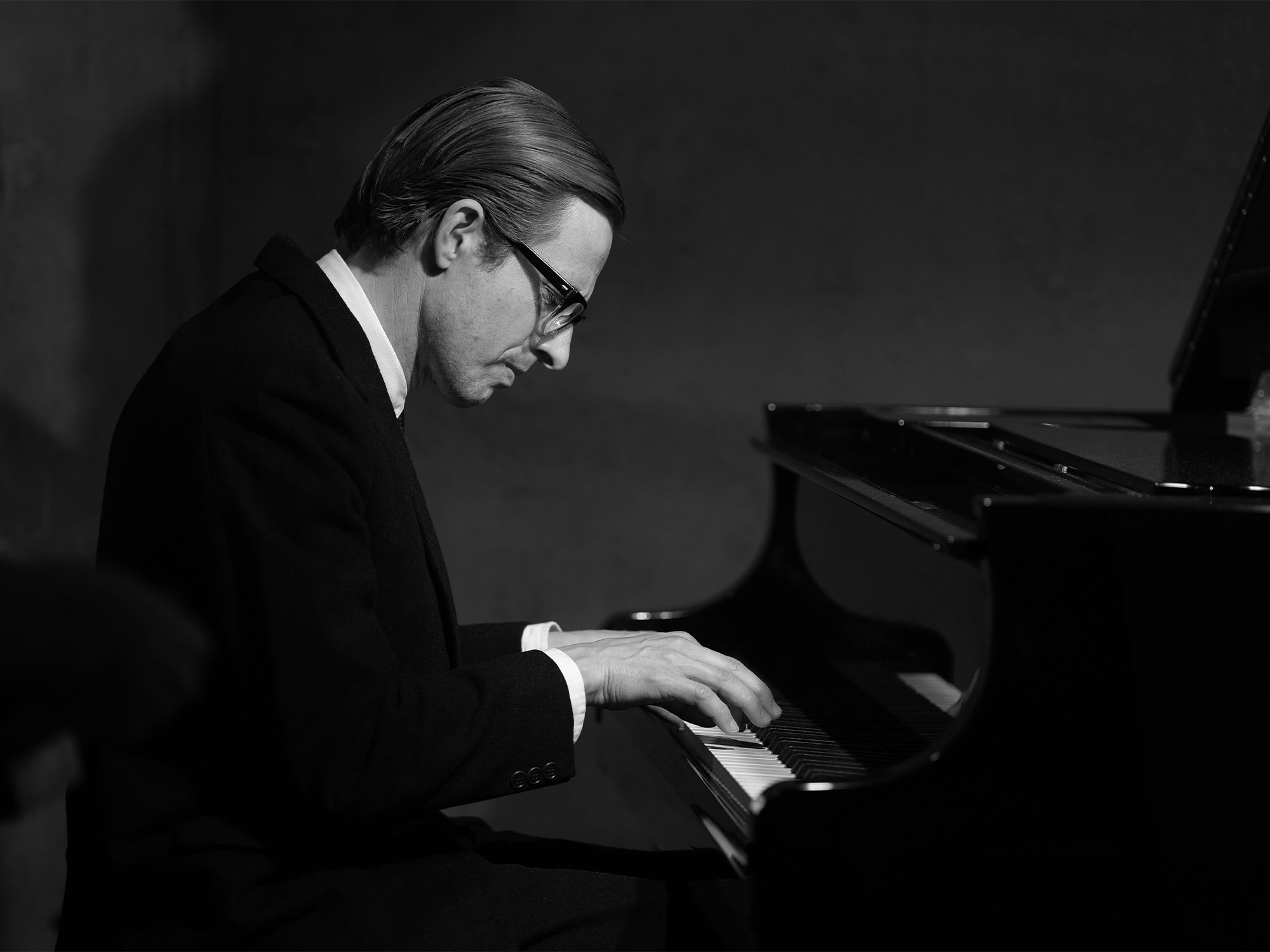
Leading man Anders Danielsen Lie, always on point for his fellow Norwegian Joachim Trier, has the challenge of portraying Evans as he navigates this crisis moment. He certainly looks the part: slight, specky, decidedly pale. As he careens between his older brother in NYC and elderly parents in Miami, however, he says little and simply exudes unease. Can this awkward introvert really sustain the burden of an extraordinary talent? Or will he slip further into the abyss of his ongoing heroin habit?
Get more Little White Lies
Marking a semi-fiction debut for docu ace Grant Gee (Joy Division, Patience), the film thankfully resists the expected narrative moves. It avoids the love-of-a-good woman redemptive arc – Valene Kane is effectively corrosive as the bad-news girlfriend – and never falls into blaming social exclusion for the chemical quicksands of the “jazz lifestyle”. Instead, it thoughtfully threads its way way towards broader, relatable issues of familial interdependence and people trapped within their own lives. Screenwriter Mark O’Halloran adeptly reflects the essentially interior landscape of Owen Martell’s source novel, ‘Intermission’, but brings fresh dramatic consequence as Evans’ prospects will evidently prove pivotal for his jealously admiring older sibling and quietly adoring, otherwise unfulfilled parents. Subtly shaded dialogue prompts especially affecting performances from Barry Ward and Hollywood veteran Bill Pullman as the troubled bro and struggling dad.
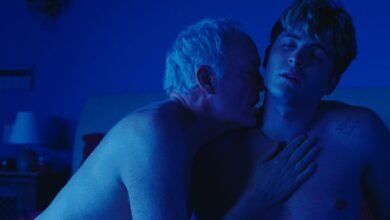
Lie’s withdrawn, wraithlike presence leaves the proceedings with a bit of a hole in the middle, purposefully so as Gee keeps his gaze obscured behind thick glasses and lets his gangling body language speak. Jazz mavens awed by the Evans mystique will be invested from the get-go, though Gee bravely trusts the wider audience to follow the film’s trail of nuance and completes the full picture with a note-perfect ending. Flash-forwards into Kodachrome colour, highlighting Evans’ subsequent tragic personal trajectory, do feel slightly cramped in the context, yet they’re crucial in understanding the film’s soberly bracing assessment of its protagonist’s choices. The most seraphic of jazz pianism takes its toll. Evans is barely present because his music is subsuming him. Everything and everyone else is collateral damage as this modestly scaled portrait leaves an indelible emotional mark.