In 1953, Tenzing Norgay and Edmund Hillary became the first humans to reach the summit of Mount Everest. But for all the films that have since been made about the mountain, it has rarely been allowed to belong to the people who live in its shadow. Jennifer Peedom’s Tenzing attempts to redress that imbalance, shifting the fabled ascent away from Hillary and towards his Sherpa companion. It’s a welcome change of perspective, even if the film itself occasionally struggles to break free from the conventions of the mountaineering biopic.
Genden Phuntsok gives a beautifully understated performance as Tenzing, gentle yet resolute in his unwavering connection to the mountain. Raised among the Himalayas, Tenzing regards Chomolungma (the name for Everest in Sherpa culture, and the one the film largely uses) not as a prize to be claimed but as a sacred, living presence. Where British expedition leader John Hunt (Willem Dafoe) sees the summit as a feat to be conquered, Tenzing sees a spiritual force that has been calling him home since childhood.
Get more Little White Lies
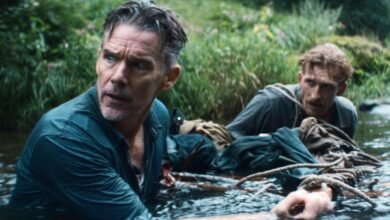
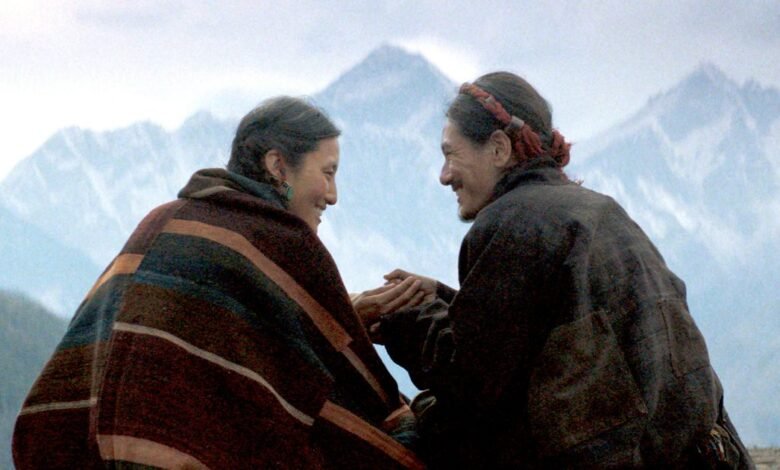
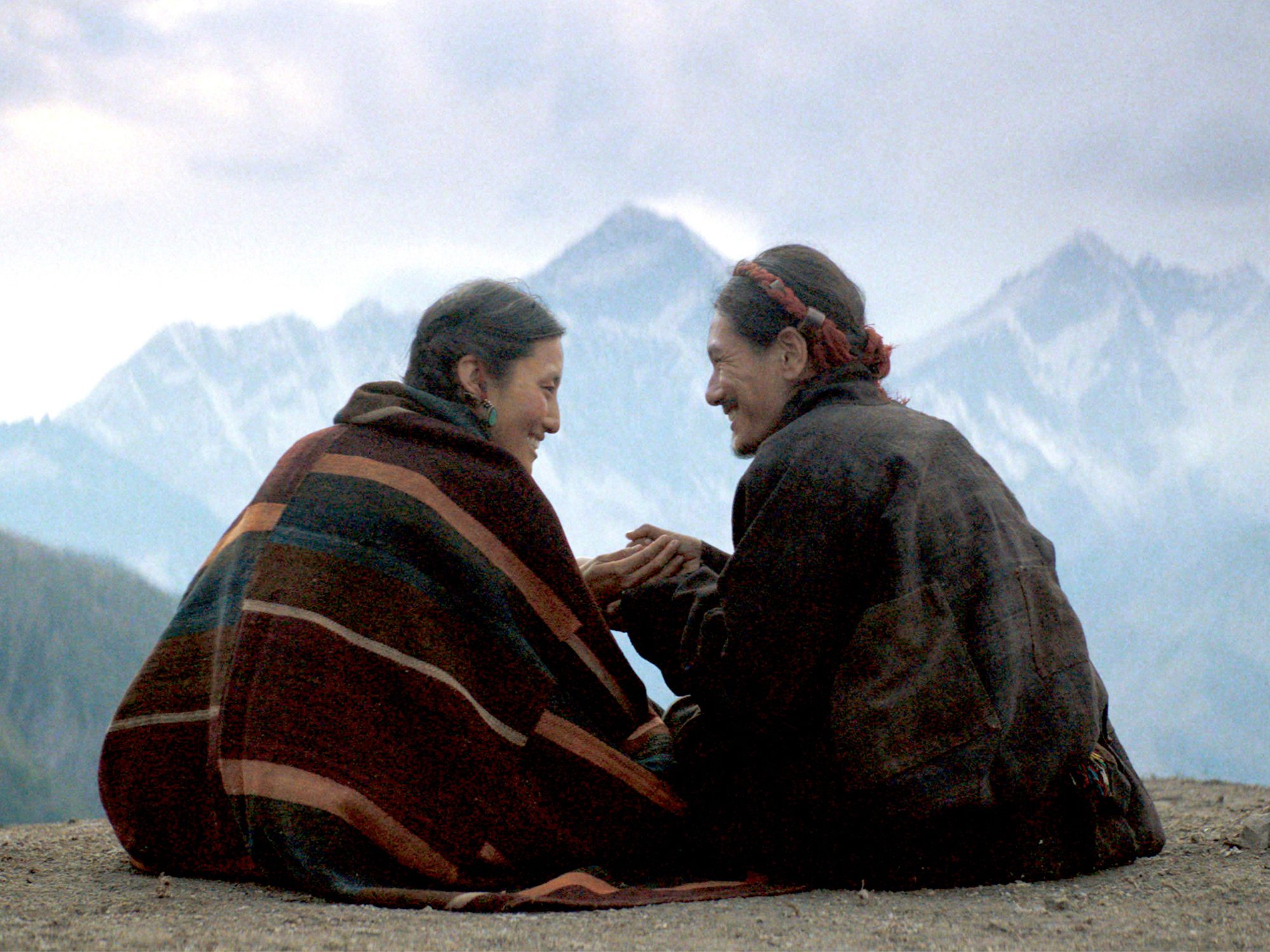
The film traces Tenzing’s calling across three timelines: as a boy (Samdrup Dorje Lama) fascinated by George Mallory’s (Johnny Flynn) arrival at his remote Tibetan village, to a young man (Tenzin Dalha) travelling to Darjeeling with his wife Dawa (Thinley Lhamo) in search of work guiding European expeditions, and finally as the head Sherpa on Hunt’s 1953 expedition. Tenzing fights for his place as an equal on the team, eventually forming an unlikely partnership with Hillary (Tom Hiddleston) as the pair make for the peak. Tenzing understands the uncomfortable irony of celebrating those who summit the mountain while overlooking the people who do so much of the dangerous work to get them there. When fellow Sherpa Pasang (Tenzin Jigmey) voices his frustration with the Europeans’ pursuit of glory, Tenzing manages to soothe his colleague, but the grievance still lands.
In one of the film’s most satisfying departures from the usual Everest mythology, Hillary is very much a supporting character. Hiddleston brings a quiet warmth to the New Zealand mountaineer, resisting the temptation to turn him into a rival for Tenzing’s story. Instead, Hillary’s respect for Tenzing grows alongside their mutual dependence on the mountain. Dafoe’s Hunt barely registers, perhaps fittingly for a film so intent on shifting focus away from the men who have traditionally dominated this story. While the screenplay moves through the typical beats of the prestige biopic, Tenzing gives these well worn conventions a refreshing spin. Peedom’s direction is more adventurous still, capturing the mountain as both awe-inspiring landscape and imposing physical presence. The film is most affecting when it reminds us that its subject’s achievement cannot be separated from the people and culture around him. It questions who gets to be remembered as an explorer and who is expected to simply carry the equipment. It may not be reinventing the mountaineering movie, but it asks us to look at a familiar summit from the other side.