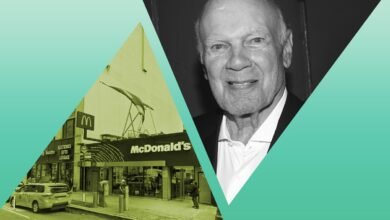


Something noteworthy about Gov. Kathy Hochul’s plan for 300 new homes on state land in Crown Heights: Most will be market-rate.
Her request for proposals for 1119 Pacific Street calls for at least 75 of the apartments to be permanently affordable, which would mean 225 market-rate units. That’s your basic Mandatory Inclusionary Housing project, with 25 percent of units income-restricted.
This is an example of prioritizing quantity over affordability, which is a bad way for me to phrase it because quantity by itself contributes to affordability.
Not long ago, elected officials competed to maximize the percentage of income-restricted units in projects, and especially developments on public land. If they didn’t, critics would organize rallies and publish op-eds demanding more affordable units and lower AMI levels.
At 5 World Trade Center, activists — and quite a few elected officials — called for a 100 percent affordable skyscraper. Hochul eventually agreed to 33 percent, and eventually the activists went away, but now the project is on hold because even at that level of affordability it might not pencil out.
I’ll be watching the Crown Heights project, which will replace a Metropolitan Transportation Authority facility, to see if anyone objects to 25 percent affordability. I’m betting against it. Times have changed. Unit counts and certainty matter more now.
The Real Deal has a rule against publishing gushing quotes from press releases, but I would think that 10 years ago Assembly member Linda Rosenthal would not have agreed to a statement like the one she contributed Tuesday:
“We cannot leave any underutilized or vacant parcel of land unturned while navigating our current affordability crisis. Transforming this MTA lot into 300 new units of housing, while also facilitating much-needed transportation improvements and public enhancements is a win-win for the Brooklyn community and all New Yorkers who are struggling to lay down roots in the Big Apple. We must continue to identify new places for development and I look forward to working with the governor to do just that.”
What we’re thinking about: Often the city and state add social goals to housing plans, making them less potent at delivering on their primary objective. Is the Mamdani administration’s (not exactly new) plan to fast-track approval for certain affordable housing projects an example of that? To be eligible, a developer must be either nonprofit or an MWBE. But there is a way for for-profits run by white men to participate: by partnering with an eligible developer. Send thoughts to eengquist@therealdeal.com.
A thing we’ve learned: The number of single-family rentals in the U.S. has fallen by more than 1 million in the past decade, according to housing economist Jay Parsons. Yet the Senate passed a bill to reduce production of build-to-rent housing. The move sparked an intense backlash from across the real estate industry, which is pushing for the measure to be stripped from a bipartisan legislative package that otherwise would increase the housing supply.
Elsewhere…
If you missed Jason Furman’s piece about the impact that presidents tend to have on the economy, check it out.
He notes that presidential policies affect the U.S. economy in the same way that tilting the wheel of an ocean liner changes the ship’s direction — that is, extremely little.
Even with President Donald Trump’s barrage of tariffs, which Furman estimates have resulted in an inflation rate at least 50 basis points higher than it would otherwise have been, the only economic metric that changed meaningfully from 2024 to 2025 was job growth (for the worse).
“Just about every significant economic variable was similar across the two years, often well within the range of measurement error: G.D.P. growth, the unemployment rate, the employment rate for prime-age workers, inflation, real wage growth, productivity growth, the budget deficit, the trade deficit, stock-market gains and mortgage rates,” wrote Furman, who chaired the White House Council of Economic Advisers from 2013 to 2017.
What has changed dramatically, however, is Americans’ perception of the economy. Republican voters deemed it terrible under President Joe Biden but now say it is great, while Democrats said it was great under Biden but now say it is terrible.
Closing time
Residential: The largest residential sale Thursday was $12.8 million for a 3,765-square-foot, sponsor-sale condominium unit at 53 West 53rd Street in Midtown. Renee Micheli, Jade Chan, Frances Katzen and Michelle Griffith of Douglas Elliman had the listing.
Commercial: The largest commercial sale was $46 million for the 11-story property at 88 University Place in Greenwich Village. The Real Deal reported on CIM’s foreclosure in 2024. An LLC tied to Acram Group in Greenwich Connecticut was the buyer.
New to the Market: The highest price for a residential property hitting the market was $7.65 million for a 2,175-square-foot condominium at 56 Leonard Street in Tribeca. The unit last sold for $6 million in 2017. Steve Gold and Scott Hernandez with Corcoran have the listing.
Breaking Ground: The largest new building permit filed was 368,469 square feet for a proposed 34-story, mixed-use project at 360 West Fordham Road in University Heights. Thomas Furman with SLCE Architects filed the permit on behalf of Brad Zackson of Dynamic Star.
— Matthew Elo