Some rules are meant to be broken.
Consider this message I received from an owner of rent-stabilized buildings:
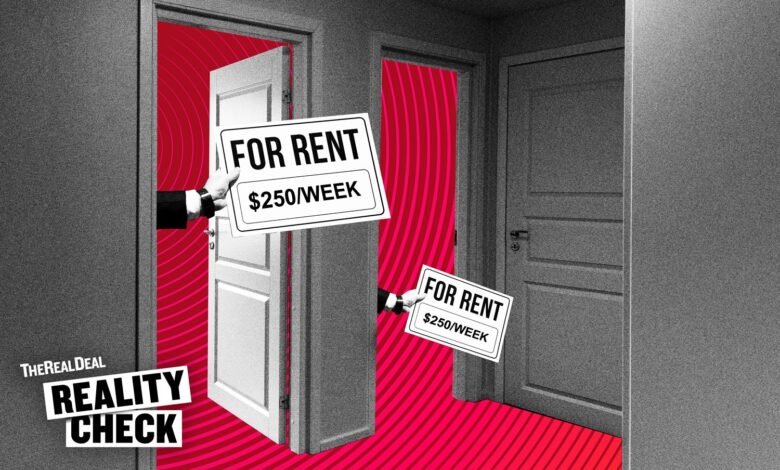
“There are countless units that have been in the same tenant’s name or family for decades while their needs and family makeup have changed. For example, they have a 3 or 4 bedroom apartment for a family of 1 and perhaps 2. They will then rent the spare bedrooms for $175 to $250 per week, per room.”
This is not the way rent stabilization is supposed to work. But is it a victimless crime? The landlord didn’t think so.
“When the tenant has a rent-stabilized apartment for less than $1,000 [and is renting out rooms], everyone gets hurt and the leaseholder is enriched on the backs of the landlord and other people in the public who need housing for their families.”
I would say it’s bad for families and good for individuals who just want to rent a room but cannot find one of the few remaining single-room occupancy buildings (a shortage that this City Council bill aims to change).
The illegal renting of rooms is a consequence of a rent-stabilization system that incentivizes people to stay in large apartments long after their kids have grown up and moved out. The system practically forces them to stay because it makes vacancies scarce.
Even if smaller, rent-stabilized units were readily available, they typically have higher rents because they turned over more often when vacancy allowed for rent increases (before the Housing Stability and Tenant Protection Act of 2019).
Given the city’s housing shortage, it’s better for spare bedrooms to be rented than to remain empty. But landlords should get a cut of the revenue, if for no other reason than that more tenants mean higher water bills and other operating costs.
Bringing this out into the open would also allow owners to screen room-renters, reducing the risk of nuisance tenants and squatters. Being on the lease would give subletters more rights as well.
Some politicians might oppose this idea because they love the principle of the primary residency requirement. Reality check: It doesn’t exist — because there is virtually no enforcement.
Before the HSTPA, enforcement was largely left to landlords; the 20 percent vacancy bonus and the chance to do a substantial individual apartment improvement gave them an incentive to evict rule-breakers.
But now that the law has eliminated the vacancy bonus and the opportunity to do a real IAI, owners have little incentive to police fraud as long as the tenant is paying the rent. There was no enforcement mechanism to fall back on, nor did the state bother to create one after the law changed.
The reader had more to say.
“There are countless people who are not paying their rent, working off the books, getting one-shot deals (over and over again), meanwhile have the funds to go on months-long vacations to the Caribbean while wearing $250+ shoes and designer sunglasses,” he wrote. “These practices are running rampant.”
No one really knows how common they are. When I was a reporter in Sheepshead Bay in the 1990s, locals would complain to me about Russian women in fur coats and designer boots using food stamps at the supermarket. That was probably a small percentage of SNAP users, but it bothered people.
As I have written before, the perfect amount of fraud is not zero, because the enforcement regime needed to achieve zero fraud would handcuff a program for people who truly need it. But tolerating rampant fraud undercuts public support for a program. There has to be a balance.
Read more

These bills aim to help tenants, but would do the opposite

City Council weighs more tenant protections on heels of Trump win

Hochul signs rent bill that landlords call “disaster”