 On a cold February 7th in 1791, Saratoga County officially separated from Albany County, marking its beginning as an independent community. Known as “Saratoga” by Indigenous peoples and later formalized by colonial settlers, the county has long been defined by its strategic location and historical significance.
Before becoming a county, Saratoga’s boundaries were part of Albany County, with its governance structure evolving over time. A major milestone came in 1684 with the Saratoga Patent, which granted settlers six miles of land along both sides of the Hudson River from Mechanicville to the mouth of the Battenkill.
By 1772, the area was divided into two districts, Half Moon and Saraghtoga, marking the start of local governance. In 1788, New York State formally established towns within Saratoga, including Halfmoon, Saratoga, Ballston, and Stillwater.
Three years later, these towns separated from Albany County to form Saratoga County, ushering in a new era of self-governance.
As communities expanded, Saratoga became known as the “mother of towns.” In 1775, Ballstown branched off as a new district, and in 1789, East Town (now part of Washington County) separated.
These changes reflected Saratoga’s growing role in shaping local governance. The county’s contributions to the nations founding solidified its historical importance. The Battles of Saratoga, the turning point of the Revolutionary War, demonstrated the region’s resilience and strategic importance.
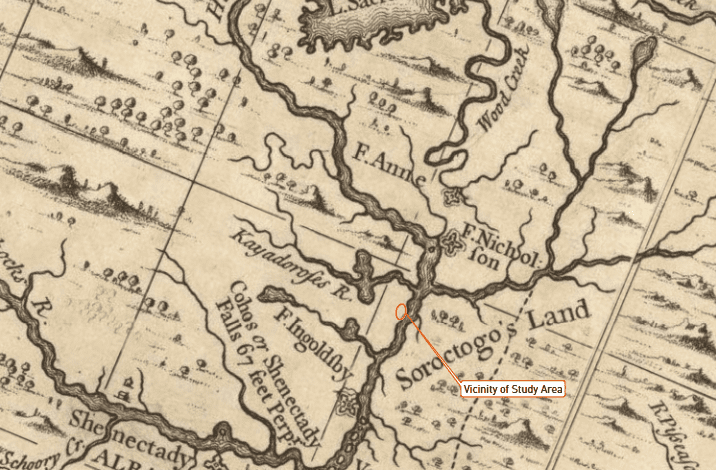
 Saratoga’s geography has always been central to its development. Nestled between the Hudson and Mohawk rivers and crossed by waterways like the Kayaderosseras Creek and Sacandaga River, the county’s location served as a crossroads of early trade and travel.
Fertile farmland and abundant natural resources attracted settlers who built the agricultural and economic foundations for Saratoga’s prosperity.
From its earliest days, Saratoga County residents have valued community involvement. Government leaders have partnered with private businesses and non-profit organizations to create a culture of collective responsibility.
Today, this spirit continues. Residents engage in preserving historical sites, supporting sustainable development, and promoting civic pride — these remain central to the county’s identity.
Saratoga County’s history is filled with stories of perseverance. From the Revolutionary War to the Industrial Revolution and beyond, the community has adapted to challenges while building a thriving economy.
Modern Saratoga County is home to a diverse range of economic activities, including tourism, healthcare, technology, farming and manufacturing.
Landmarks such as the Saratoga Performing Arts Center (SPAC), Skidmore College, and the Saratoga Racetrack enrich the county’s intellectual and cultural life.
Visitors are drawn by Saratoga County’s cultural and historical sites, scenic landscapes, and recreational opportunities, further boosting the local economy.
A version of this essay was presented by the Saratoga County History Roundtable and the Saratoga County History Center. Follow them on Twitter and Facebook.
Illustration: Popple Map, 1733, showing Saratoga, Albany ,Schenectady and surroundings; and a map showing Saratoga Lake, the Town of Saratoga and the Hudson River by David H Burr, 1840