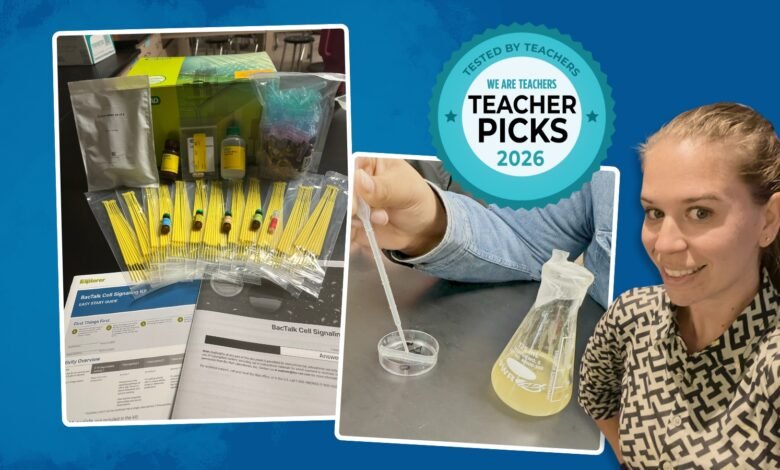
Teaching complex science topics can sometimes feel like asking students to imagine the invisible. That’s why hands-on labs like the Bio-Rad BacTalk Cell Signaling Kit can be such game changers. Instead of just reading about how biological systems work, students get to experiment, investigate, and even watch their results glow in real time. We asked AP Biology teacher Tiffany Jones, who has 15 years of experience teaching advanced life science courses, to try the experiment kit with her high school students. Here’s what she had to say about bringing complex science ideas to life in her classroom with the kit.
For which grade levels and subject areas do you think the Bio-Rad BacTalk Cell Signaling Kit is best suited?
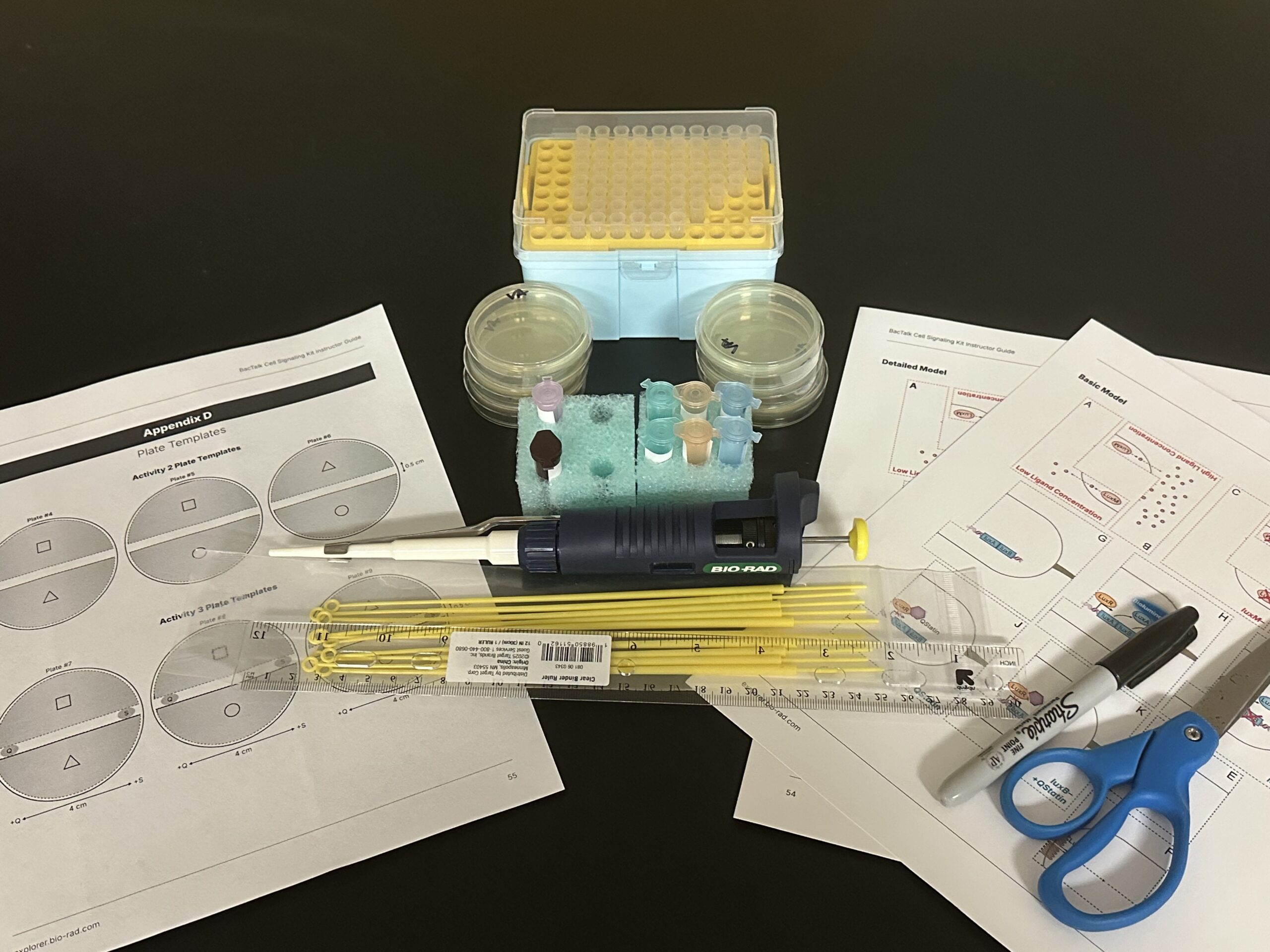
This kit works best for high school students. My students are in an AP‑level course, but the kit comes with a basic model as well as a more detailed model. With a bit more guidance and the basic model, I think most high school science students could complete and enjoy this lab. For my AP Biology students, the detailed model, which required more reasoning and advanced skills, was perfect.
Does this kit align with any specific standards or curriculum guidelines that you know of?
This kit addresses many different science standards and guidelines including:
AP Standards: CED Topics 4.1 – 4.3
- 4.1: Cell Communication
- 4.2: Introduction to Signal Transduction
- 4.3: Signal Transduction Pathways
Science Practices
- 2.A Describe characteristics of visual representations of biological concepts and processes.
- 2.B Explain relationships between characteristics of biological models in both theoretical and applied contexts.
- 2.D Represent relationships within biological models, including mathematical models, diagrams, flowcharts, and systems.
- 3.A Identify or pose a testable question based on an observation, data, or a model.
- 3.B State the null hypothesis or predict the results of an experiment.
- 3.C Identify experimental procedures that align with the question.
- 3.D Propose a new investigation based on an evaluation of the experimental design or evidence.
- 6.A Make a scientific claim.
- 6.B Support a claim with evidence from biological principles, concepts, processes, and data.
- 6.C Provide reasoning to justify a claim by connecting evidence to biological theories.
How did your students respond to the BacTalk Cell Signaling Kit?
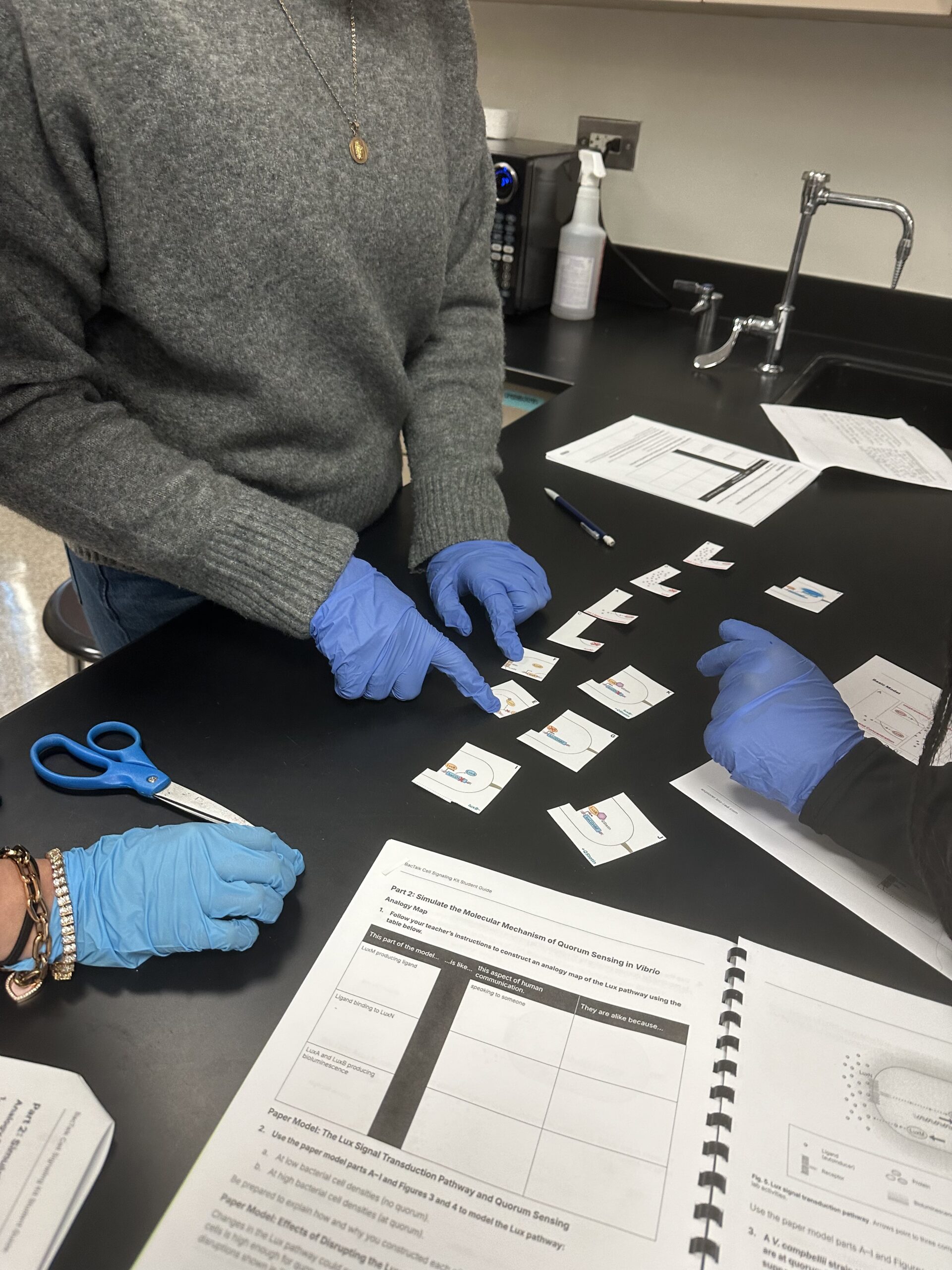
Overall, the students found the activity to be engaging, with easy-to-follow directions, and they found it fun and exciting to see the bacteria glowing. Many students commented about how helpful it was to visualize the process that we just studied in a dynamic system. Some of my favorite comments from students were:
- “It was fun and I actually understood the lab enough that I was able to participate fully and learned something new.”
- “Seeing things glow was cool!”
- “The lab was so fun to do and I loved how hands-on it was, and the results were so cool.”
How would you sum up your overall experience with the kit?
Trying a brand‑new lab kit can definitely feel intimidating, especially when it looks like there are many prep steps. Once I completed it, though, I realized it was much more manageable than it first appeared to be. Reviewing the Bio‑Rad PowerPoint ahead of time was extremely helpful for understanding the workflow.
My plates grew well overall, and I was even able to create an additional plate that showed strong luminescence for students to compare during Activities 2 and 3. This actually made the discussion even better because everyone was observing samples at similar stages.
Overall, I loved this lab. It was truly foolproof, just like other Bio‑Rad labs I’ve used, and it sparked great conversations as students worked through their reasoning about cell communication. I’d rate it a solid 9/10.
How easy was it to use and implement the BacTalk Cell Signaling Kit in your classroom?
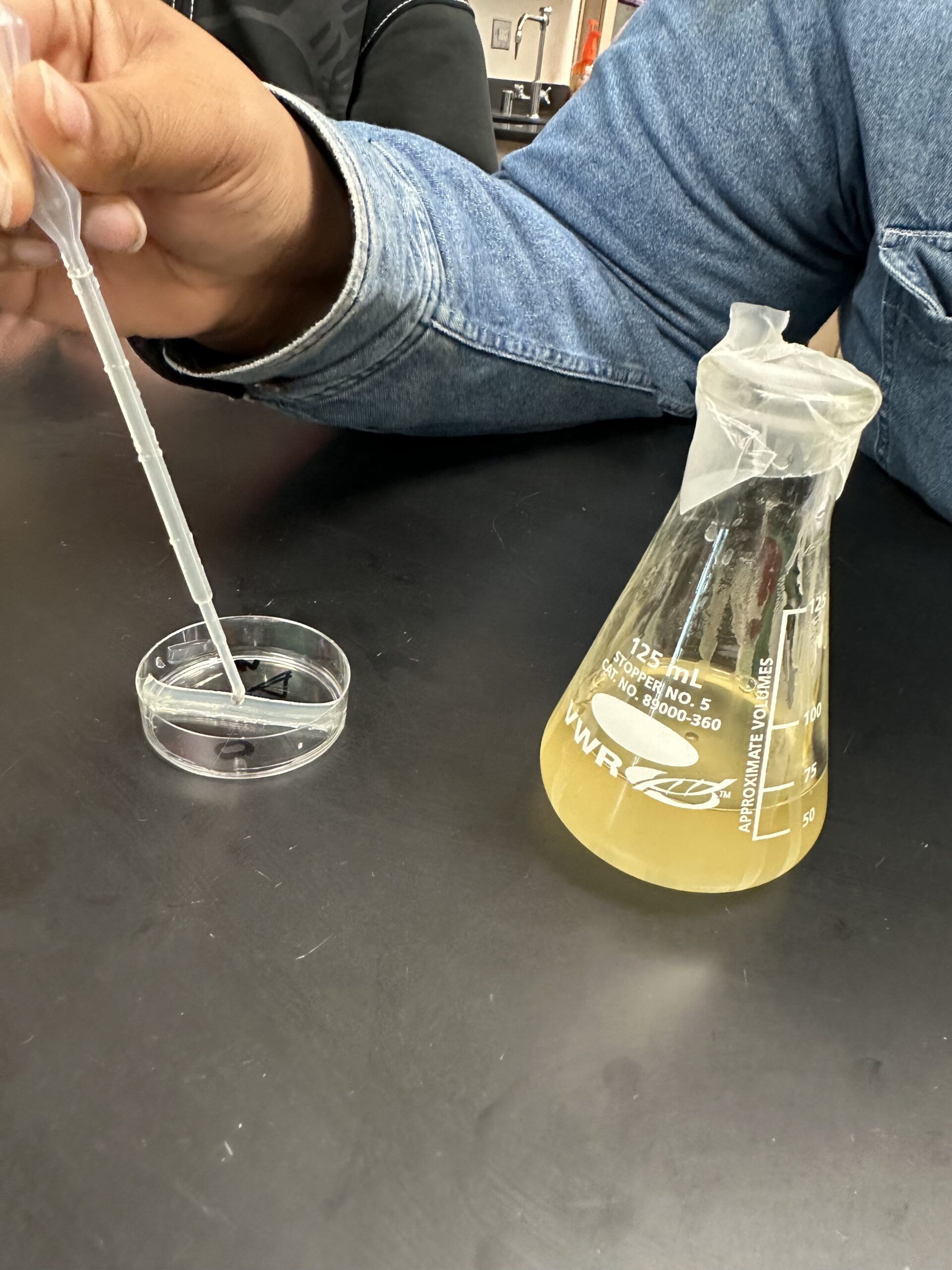
It was very easy for students to use—the instructions were straightforward, and they could follow the steps without trouble. The prep, however, felt overwhelming at first because there were several moving parts to time correctly. But once everything was organized, it became much more manageable.
The activity itself was easy to implement. My students had just learned about cell communication, so connecting their prior knowledge to the Lux pathway was smooth. They also had basic lab skills like using micropipettes and handling bacterial plates, which helped the process go even more smoothly.
What were the top two features you liked most about the Bio-Rad BacTalk Cell Signaling Kit ?
In my opinion, the top two features of this kit were the organization and the outcome.
The organization of the lab components and the robustness of the lab make it nearly impossible for students to mess it up. I love Bio-Rad kits because I don’t usually have to say, “What should have happened was … but not everything in science always works.” The students are able to follow the directions using the visuals and short directions. Out of my 14 lab groups, everyone got correct data. Some are more bright or better plated, but they all got data, which is a win in my book.
It is hard to visualize abstract processes or processes that are not able to be viewed. This lab allows students to see cell communication and determine unknown information, which adds a layer of investigation for students. Plus, who doesn’t love a lab that gets something to glow?
What makes the Bio-Rad BacTalk Cell Signaling Kit special or unique compared to other science experiments/kits you’ve used?
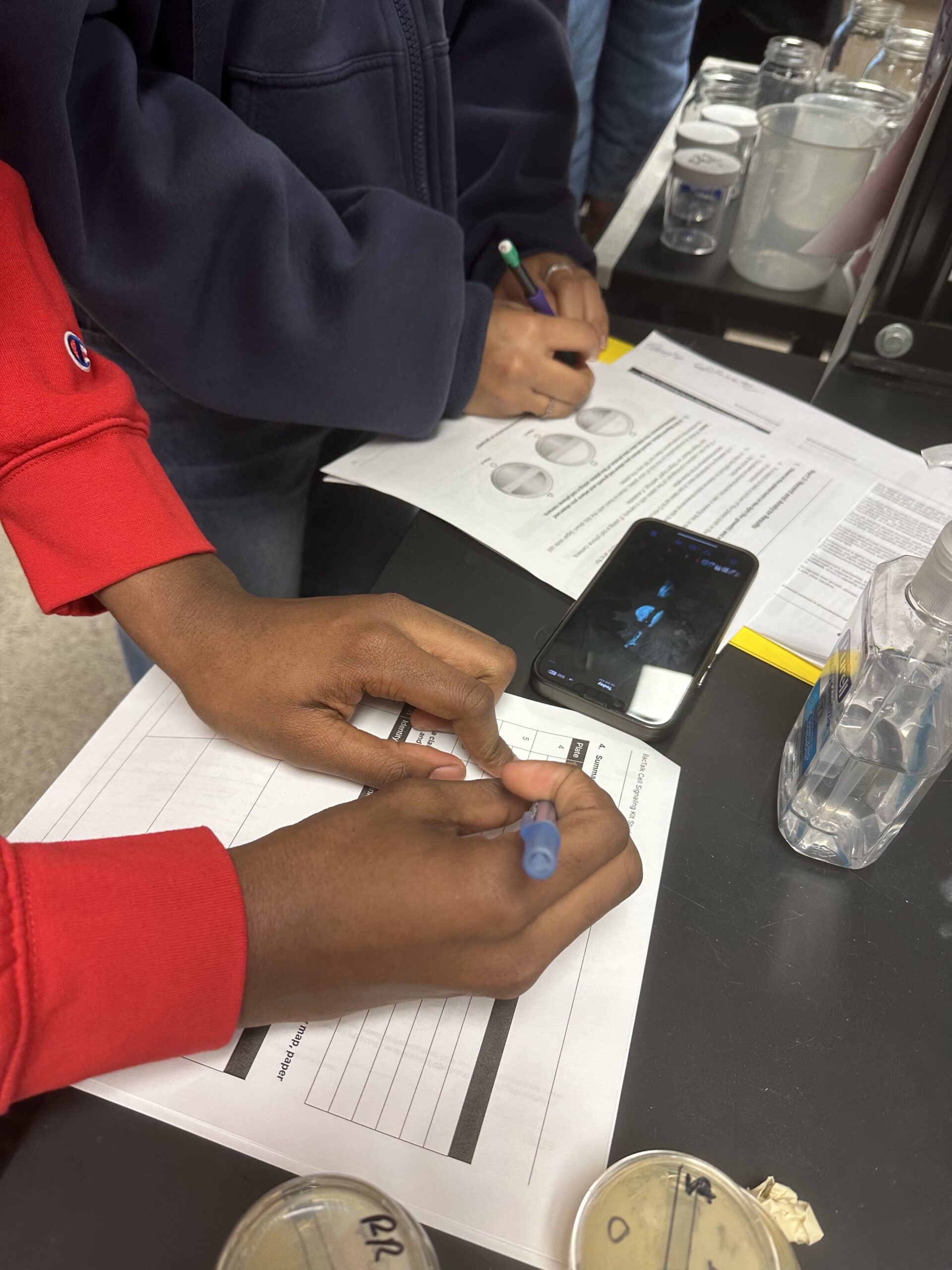
The customer service was great! I asked a question and got an answer within 24 hours and was provided with additional resources (like the PPT, which should be available for teachers when they get their kit). The scientist helped me develop my timeline to ensure that we were able to get this lab to work seamlessly.
How will this kit save you time or make teaching easier?
The Bio-Rad BacTalk Cell Signaling Kit made teaching easier because my students were able to visualize something that we studied, which was now a tangible object. They could see that some bacteria that wasn’t glowing before now was able to glow, plus identify which bacteria had each mutation based on their experimental results. Also, having a reliable lab makes teaching easier as you are not wasting valuable time in the prep and in the classroom on a lab that doesn’t work. And the students are able to see the process designed by the experiment.
Watch Tiffany’s video review:

Teacher Picks is a sponsored program available from We Are Teachers. All opinions shared in the review are honest and based on the teacher’s direct experience. To learn more about our guidelines and review process, click here.
Source link