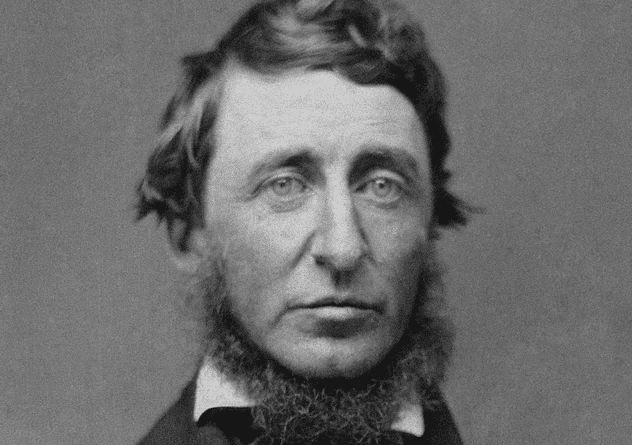
 Henry David Thoreau (1817-1862), born in Concord, Massachusetts, is an unexpected yet fitting figure in New York’s literary landscape. Though New York seldom appears in his writings, his experiences in the state profoundly influenced his life and work, particularly his famed experiment at Walden Pond.
In July 1844, Thoreau embarked on a solo hike through Adams, Massachusetts — the birthplace of Susan B. Anthony — and ascended Mount Greylock via the Bellows Pipe Trail.
He described the trail as a pilgrim’s path, leading him toward a transformative encounter with nature and self. His reflections on this journey, chronicled in A Week on the Concord and Merrimack Rivers, reveal a man navigating personal grief and societal disillusionment.
At 27, Thoreau was mourning his younger brother John, who had died two years earlier from an infection. He was also burdened by the shame of having accidentally set fire to 300 acres of Concord woodland and the pain of a rejected marriage proposal. These experiences left Thoreau in a fragile psychological state.
Mount Greylock proved pivotal. At its summit, Thoreau found refuge in an observatory built by Williams College students. There, he slept under a door to stay warm, awakening to a vision he described as a “new world,” a “new terra firma” for his future life.
This revelation from the heights of Greylock was more than a scenic vista; it was a metaphor for a shift in his perspective and purpose.
After Greylock, Thoreau journeyed through the Catskills of New York, further absorbing the insights gained in the Berkshires. This trek through Western Massachusetts and Eastern New York marked a turning point.
Upon his return home, he received a letter from his friend Isaac Hecker, dated July 31, 1844, inviting him to join a European tour. The letter reflected a deep connection and shared intellectual pursuit between the two men.
Thoreau’s reply, dated August 14, 1844, reveals his newfound clarity. He declined Hecker’s invitation, citing his recent journey to the Catskills and his dedication to other ventures.
His decision to remain in America, rather than travel abroad, was significant. The mountains of Massachusetts and New York had given him the confidence and resolve to undertake the Walden experiment — a project that would define his legacy.
Without these formative experiences in the Berkshires and Catskills, Thoreau might never have written his famous declaration in Walden:
“I went to the woods because I wished to live deliberately, to front only the essential facts of life, and see if I could not learn what it had to teach, and not, when I came to die, discover that I had not lived.”
These words embody Thoreau’s philosophy, born of his solitary communion with nature in New England’s mountains.
Thoreau’s journey to Greylock and beyond was more than a physical trek; it was a spiritual pilgrimage. The experiences he had in New York were integral to shaping the thinker who would become one of America’s most celebrated writers and philosophers.
His story reminds us that sometimes, to find our path forward, we must first seek out the heights and wilderness within reach.
Photo: Henry David Thoreau as a young man.

Source link