Halloween is the perfect occasion to try some spooky, creepy, candy-centered Halloween science experiments! We’ve rounded up 20 hands-on Halloween science experiments that explore concepts such as the scientific method, laws of motion, engineering, and more.
You’ll only need simple supplies for most of these Halloween science experiments, so any teacher or family can learn about chemistry, biology, and physics. To make it even easier to find the right science activities, we’ve rated each of our Halloween science experiments for difficulty:
Easy: Simple, short activities you can do with little or no prep needed.
Medium: These activities take a little longer or require a few extra supplies but are still fairly simple.
Advanced: Activities that require more unusual supplies or complex skills.
20 Frightening Halloween Science Experiments
Hilary Statum for We Are Teachers
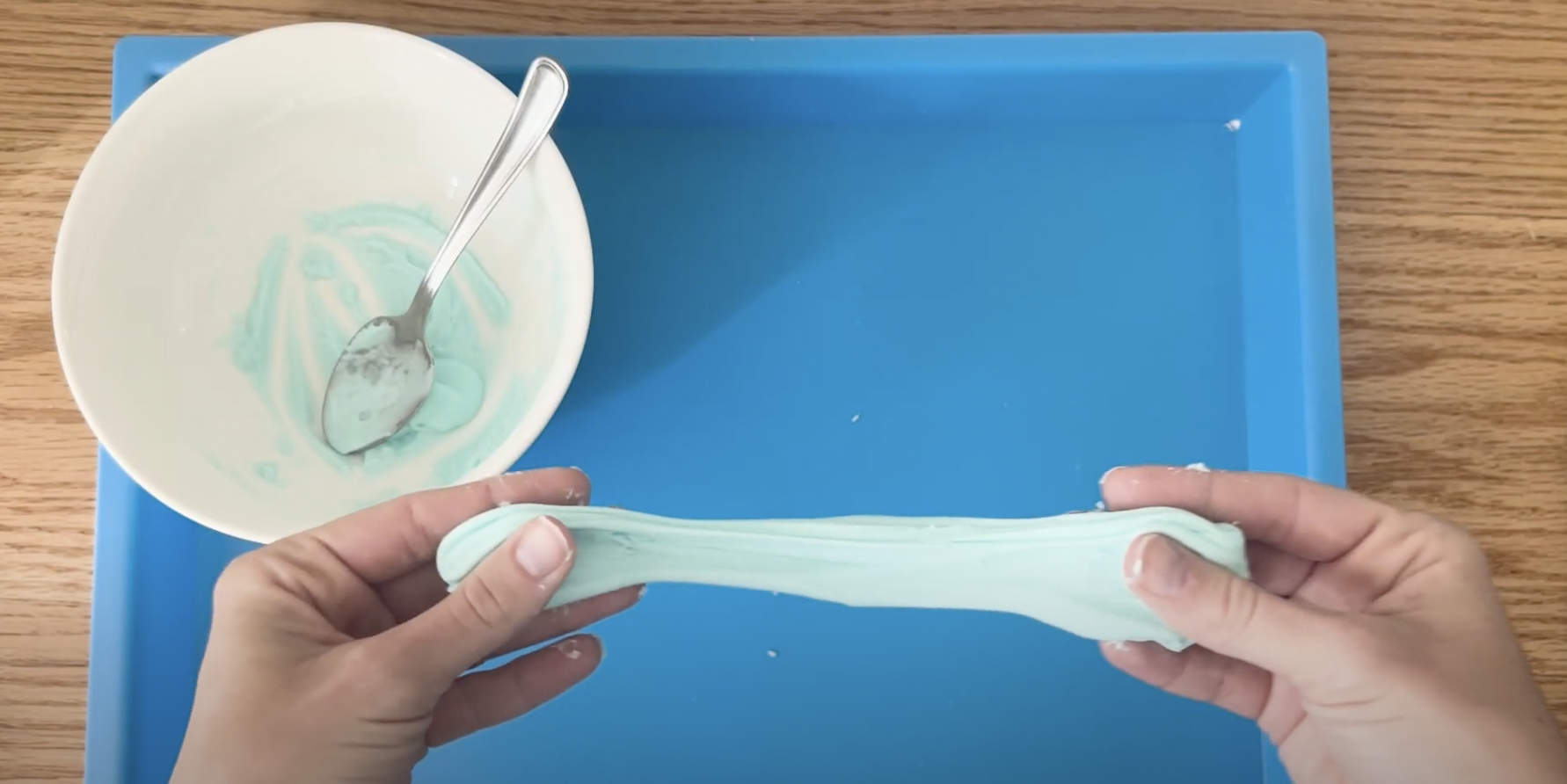
1. Brew up your own slime
Chances are your students already love making and playing with slime. Turn the fun into an experiment by changing the ingredients to create slime with a variety of properties—from magnetic to glow-in-the-dark!
Using paper, straws, yarn, and tape, create a moveable hand that replicates the movement of a human hand. Add a spooky touch by making the tips of the fingers pointy.
Difficulty: Advanced
Naomi Meredith for We Are Teachers
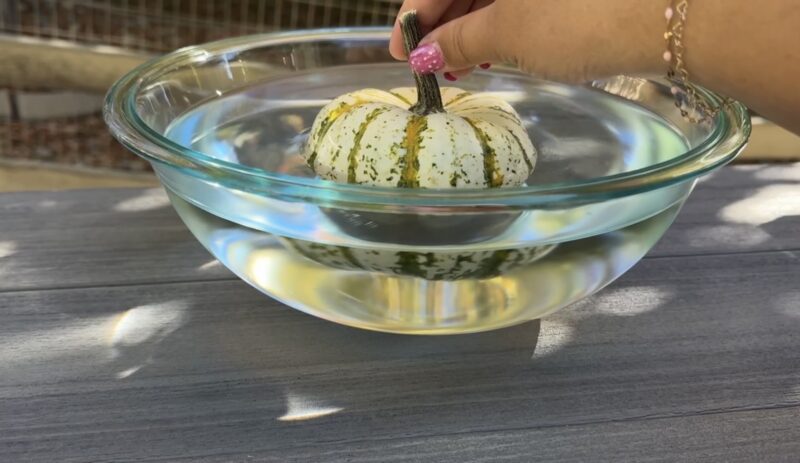
3. Test sinking & floating
Determine if a pumpkin sinks or floats in water by experimenting with real pumpkins. Test other elements of the pumpkin separately, such as the stem, seeds, and pulp.
Difficulty: Easy
Naomi Meredith for We Are Teachers
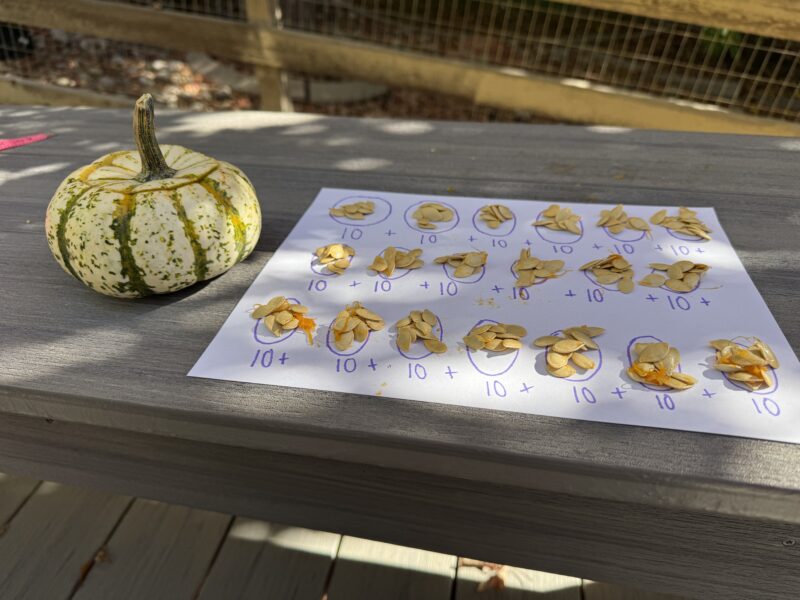
4. Dissect a pumpkin
How many seeds are in a pumpkin? Have students explore and analyze the inside of a pumpkin by dissecting it and counting the seeds. You’ll be surprised by how many seeds even a tiny pumpkin has!
Difficulty: Easy
Naomi Meredith for We Are Teachers
5. Code robots to create a jack-o’-lantern
Print different pictures of jack-o’-lantern faces individually on cards. Code a moveable robot to collect pieces that will complete the jack-o’-lantern face.
Difficulty: Medium
Naomi Meredith for We Are Teachers
6. Build a pumpkin bridge
Using recycled materials, build a bridge to hold as many candy pumpkins as possible. Small pumpkin toys or orange Unifix cubes can also be a great alternative for candy pumpkins.
Difficulty: Medium
Naomi Meredith for We Are Teachers
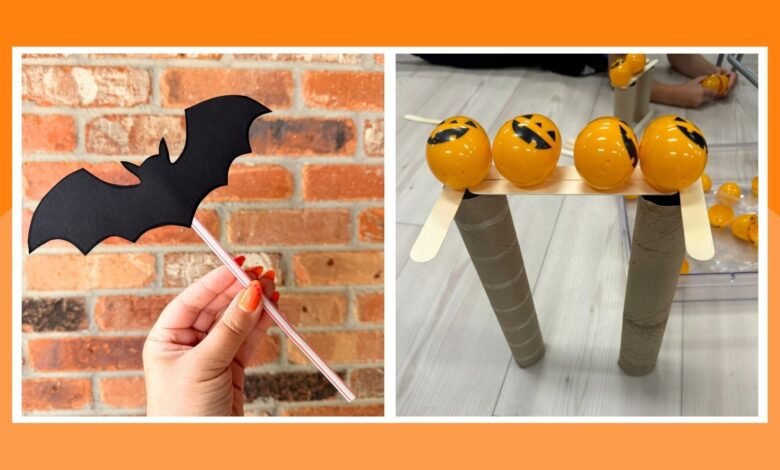
7. Launch a flying bat
Create a paper tube that fits around a straw and close off one of the ends. Draw or print out a bat template and attach it to the paper tube. Blow through the straw and watch the bat fly!
Difficulty: Medium
Naomi Meredith for We Are Teachers
8. Make a pom-pom pumpkin launcher
Build a small catapult out of Popsicle sticks and rubber bands. Then, use orange pom-poms to test and improve your design.
Difficulty: Medium
Naomi Meredith for We Are Teachers
9. Create a smoldering pumpkin
Using a plastic pumpkin bucket, or a real, empty pumpkin, add dry ice and water. Notice the smoke that rises after creating the chemical reaction! Note: Have an adult perform this experiment wearing safety gloves and glasses.
Difficulty: Easy
Naomi Meredith for We Are Teachers
10. Make a spider sensory table
In a large bucket, fill the bottom with dry black beans. Tape white string across the top of the bucket to create a spiderweb. Add small scoops, tongs, and containers for young learners to explore and play with.
Difficulty: Easy
Naomi Meredith for We Are Teachers
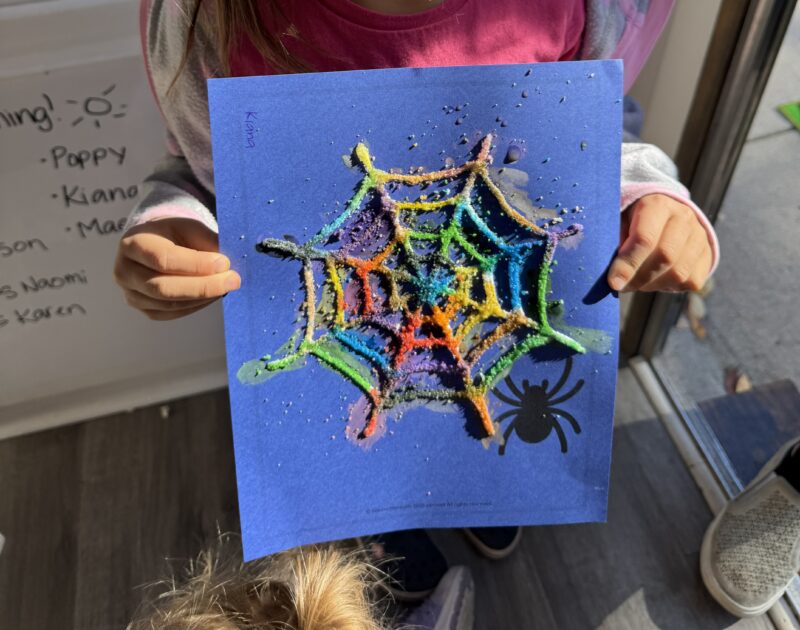
11. Paint a spiderweb
To prep this activity, print out a spiderweb design and trace it with white liquid glue. Pour an ample amount of table salt on top of the glue to cover it completely and let it dry overnight. Students will use watercolor paints and dab the color on top of the salt and watch how the color spreads.
Difficulty: Easy
Naomi Meredith for We Are Teachers
12. Make play-dough spiders
Create a play-dough station using black play dough, googly eyes, pipe cleaner pieces, and circle-shaped cookie cutters. Have students build a spider based on traits spiders have.
Difficulty: Easy
Naomi Meredith for We Are Teachers
13. Balance the pumpkins
Using egg-shaped jack-o’-lanterns and recycled materials, challenge students to create a design to balance as many pumpkin eggs as possible.
Difficulty: Medium
14. Inflate pumpkin balloons
Using a permanent marker, draw a face on an orange balloon. Fill the balloon with baking soda and attach it to a water bottle filled with vinegar. Watch the pumpkin grow bigger!
Difficulty: Easy
15. Instigate a fizzy eruption
This experiment is a crowd-pleasing classic! Your students will love creating geysers from Diet Coke and Mentos as they learn about chemical reactions. Definitely an outdoor activity!
Difficulty: Easy
16. Make a slimy egg
Observe what happens to an egg after it’s been sitting in vinegar for a long time. After losing its shell, the egg will transform into the consistency of an eyeball! Check out this video and experiment we put together.
Difficulty: Easy
Naomi Meredith for We Are Teachers
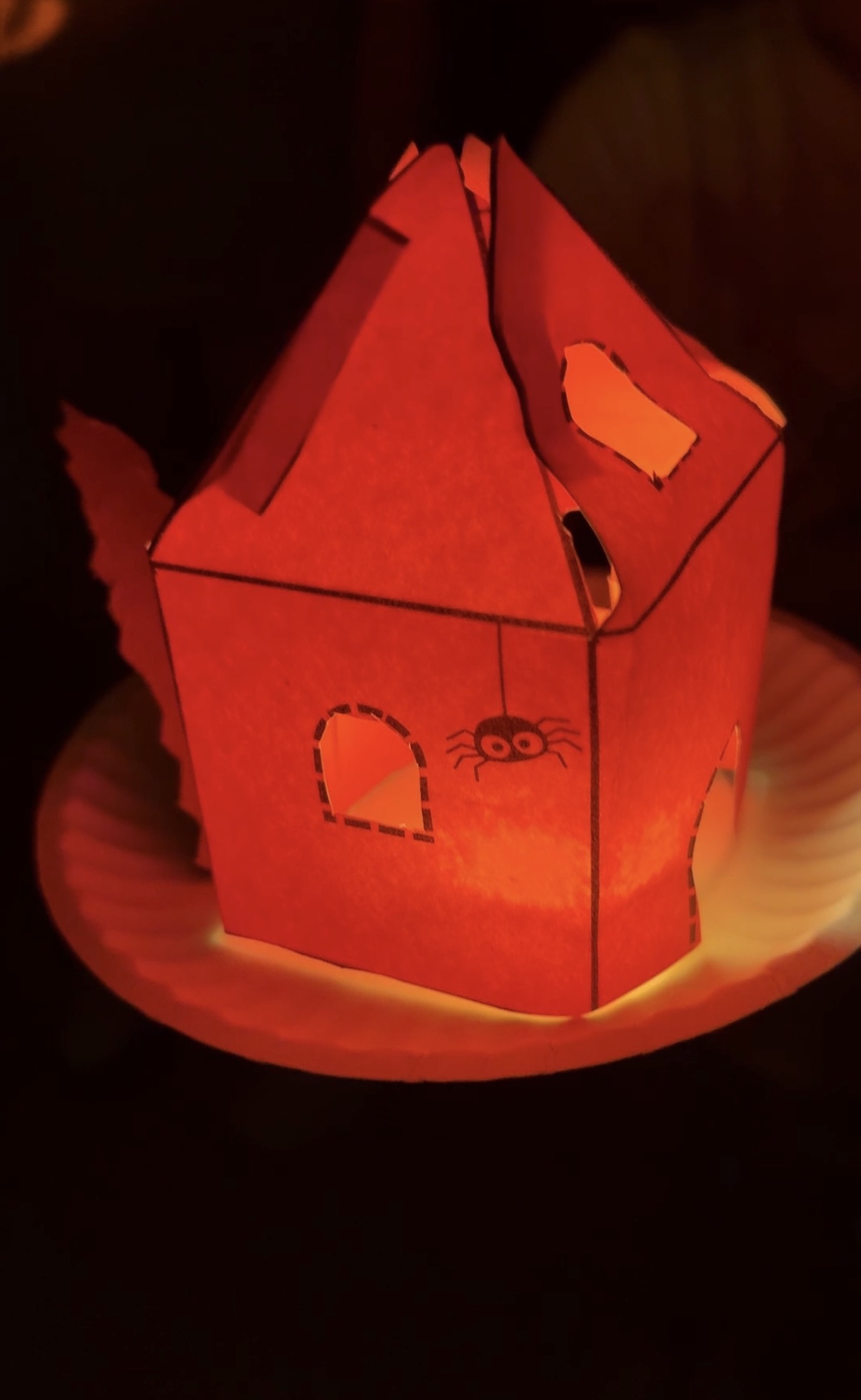
17. Build a haunted house
Using recycled materials and a simple circuit, build a haunted house that lights up from the inside. You can also use a battery-operated light, depending on the age of your students.
Difficulty: Medium
Naomi Meredith for We Are Teachers
18. Code a robot ghost
Create a ghost costume for your classroom robot, then program the robot to move and make spooky sounds.
Difficulty: Medium
Hilary Statum for We Are Teachers
19. Observe a melting pumpkin
Using orange Skittles, create an outline of a pumpkin on a plate. Slowly pour warm water on top and observe the colors melting into the liquid.
Cut out tissue paper ghosts and draw faces on them. Rub a balloon on your hair to create static electricity, then float it on top of the ghosts to make them fly!