 In spring, when temperatures rise above 40 degrees Fahrenheit and usher in gentle rains, a plethora of life emerges from the forest. Last year, I went out on such a night to catch the spring migration of amphibians. I could feel the rain coming before it hit the ground.
Cold damp air sank through my rain gear as I donned my reflective vest and walked the length of North Lincoln Street in Keene, New Hampshire. My headlamp was the only source of light on the dark, empty street.
Normally, these conditions would have kept me indoors, where it was warm and dry, but not on this night. This night was supposed to be a “Big Night,” with amphibians moving en masse from their hibernation grounds to bodies of water to begin mating.
I paused as soon as I heard a faint but high-pitched call coming from the trees. It was a spring peeper. I was not the only one who could feel the rain coming; the frogs could feel it too.
The timing and presence of rainfall have a powerful effect on frogs. Researchers at University of North Carolina have found that, when frogs hear thunder, even if it is not yet raining, it stimulates males to croak, and both sexes to begin migration.
Frogs are ectothermic, or cold-blooded; they sense environmental changes, such as temperature, humidity, and sound, through their skin. During late fall, when the air is cold and dry, frogs release sugars to protect their organs from freezing and hormones to induce sleep.
When conditions become warm and wet in early spring, it serves as a biological alarm clock, rousing frogs from their winter beds.
As the frogs dig their way out of the dirt and take in the nighttime air, the high moisture content also triggers hormones that urge them to mate. This prompts them to begin their annual migration to the nearest bodies of water.
Unfortunately, many get run over by vehicles as they try to cross busy roads. This is why I was out in the rain, helping frogs safely cross roadways.
The frog calls grew louder as the mist surrounding me turned into a soft drizzle. Squinting, I pulled up my hood and continued down the street. Rain water shimmered in the light of my headlamp. Frogs squatted in puddles beneath dripping ferns, and others leapt out in front of me.
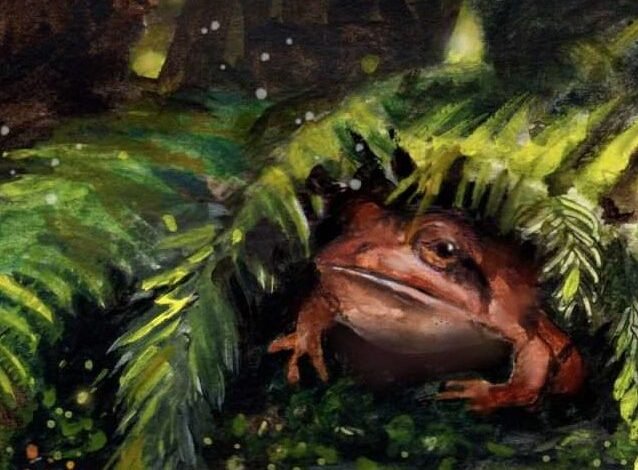
I scooped up a wood frog no bigger than my thumb. Its smooth skin shined with a reddish luster. The sheen was mucus, a slimy coating, which helps keep frogs cool and moist.
As frogs absorb moist air and water through their skin on wet nights, their skin secretes more mucus and their lungs expand. This allows them to project their calls over long distances. Some calls can be heard from over a mile away. For females, these calls serve as beacons guiding them along the forest floor as they travel to their breeding grounds.
The wood frog croaked as I placed it in my bucket. Its call resembled the quack of a duck. As I carried it across the street, I picked up another frog. By the end of the night, I had helped more than 80 frogs cross the street.
According to the International Union for the Conservation of Nature, habitat loss and road mortality are two of the greatest threats to global frog populations. Climate change, and the presence and timing of rainfall, can also impact frogs’ survival and reproduction.
Some studies suggest that climate change will rouse frogs from hibernation earlier in the year, leading to premature migrations and breeding. These early warm spells, known as false springs, put frogs at risk of starvation, dehydration, and freezing if temperatures drop again.
Other studies suggest a dry spring could delay these behaviors, leading to a shortened breeding season.
If you go outside on a rainy night this spring, be on the lookout for amphibians. You may hear frogs calling or see them on the move. They are embarking on the most dangerous journey of their lives, and we can help them reach their destinations safely.
Learn more about volunteering to help amphibians cross roads in New York State.
Julia Janson is a writer and former naturalist living in Norwich, Vermont. Illustration by Adelaide Murphy Tyrol. The Outside Story is assigned and edited by Northern Woodlands magazine and sponsored by the Wellborn Ecology Fund of New Hampshire Charitable Foundation: nhcf.org.
Source link