No one saw it coming — and that was by design.
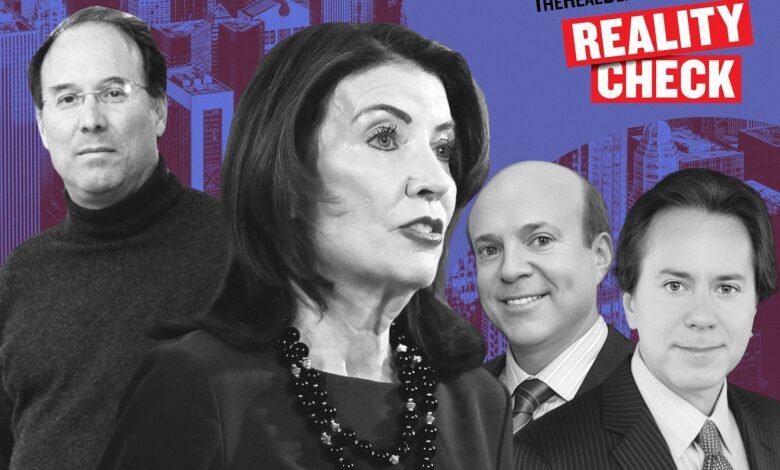
Gov. Kathy Hochul’s proposal for an annual tax on second homes in New York City worth $5 million or more leaves no opportunity for real estate to beat it back, as the industry did in 2019.
A state budget deal, now more than two weeks late, is being negotiated behind closed doors. Advocacy campaigns are continuing for its hot-button issues, such as auto insurance reform, but there is no time for luxury condominium developers, residential brokerages and trade groups such as the Real Estate Board of New York to mount one against this unexpected new tax.
Seven years ago, opponents of a similar proposal succeeded by persuading the state legislature and Cuomo administration to substitute a new transfer tax on expensive home sales. At the time, the subways were in bad shape and money was needed to rescue the mass transit system.
State lawmakers were more than happy to levy a tax that, ostensibly, the real estate actually requested — even if it was sort of like a hostage sacrificing his ear to save his life.
That worked out well for real estate because the industry depends on well-functioning subways and commuter rail, and because transfer taxes are only imposed once, when a property is sold. The 2019 tax hasn’t had a noticeable effect on luxury sales.
The pied-à-terre tax, however, would be recurring. Recurring expenses reduce property values, full stop.
The higher maintenance fees are on a co-op or condo unit, for example, the less it is worth. Property taxes have the same effect.
Politically, it’s a brilliant move by Hochul. She has pledged not to raise income taxes, and this isn’t an income tax. She’s campaigning on affordability, which is not an issue for people who can pay more than $5 million for a second home.
Hochul’s Republican challenger, Nassau County Executive Bruce Blakeman, immediately accused Hochul of breaking her promise and waging a “war on homeownership,” but voters aren’t going to buy that.
Nor do I think voters — or lawmakers — will be moved by REBNY President Jim Whelan’s argument that the tax would “eliminate thousands of construction jobs, lower property values and raise costs for New Yorkers.” It’s not obvious how that would happen, and REBNY has no time to try to make that case.
Legislators will embrace the tax because few if any of their constituents will pay it. The vast majority of people who own luxury second homes in New York City don’t live in the state. Many don’t even live in the United States.
My guess is if voters were polled, most would support higher property taxes on luxury pied-à-terre owners. It wouldn’t surprise me if Hochul has already polled that very question, and shared the results with Assembly Speaker Carl Heastie and Senate Majority Leader Andrea Stewart-Cousins.
But even without poll numbers, lawmakers would assume voters like the idea or don’t really care.
The tax also helps Hochul get Mayor Zohran Mamdani off her back. He keeps mentioning that the city sends more tax revenue to Albany than it gets back — a tried-and-true way for mayors to annoy governors. Hochul has had to bite her tongue.
The governor doesn’t want to fight with the mayor because she wants his voters to turn out for her in the November election. Instead, she’s come up with $500 million to help Mamdani close his $5.4 billion budget gap, which he must do by July 1.
Other shoes might yet drop during state budget talks but the battle over the pied-à-terre tax is over. It was over before anyone fired a shot.
Read more

Hochul reviving pied-à-terre tax on NYC luxury homes
Pied-à-terre tax revenue estimate slashed by 41%

Albany reconsiders pied-à-terre tax, could tax real estate sales instead