
“Do you have any idea of what you will do with this vaginodrome?” A film director is surrounded by at least 20 female actors in his backyard. This is Ferzan Özpetek, a prolific Turkish-Italian filmmaker little known to English audiences, and the occasion is a table read for his new film, Diamanti. “I would like to make a movie featuring the power of women, the work of women,” he responds. “You are my diamonds.”
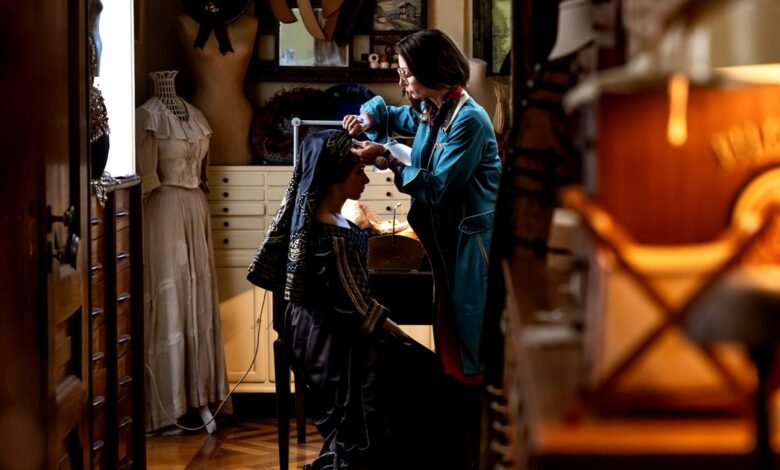
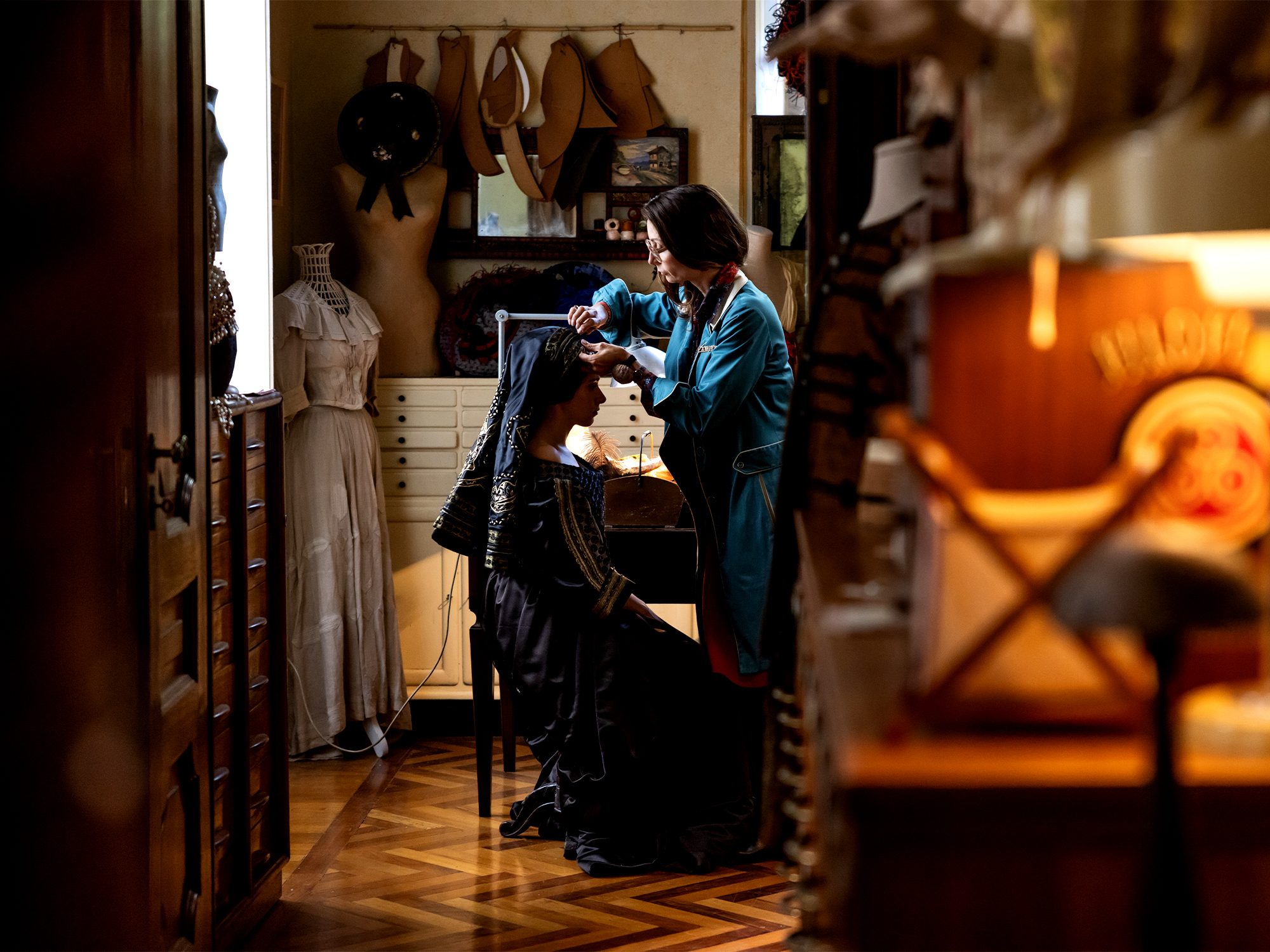
As the actresses start reading the script, we are plunged into the fictional narrative of the film. It is the 1970s, and Alberta (Luisa Ranieri), a Miranda Priestley and Reynolds Woodcock hybrid running a costume atelier with a tight fist, has just received a commission to craft the dresses for a big period drama. The film follows her and her seamstresses’ personal lives as they work on the project, splintering off into a myriad different plot points.
Get more Little White Lies
Eleonora (Lunetta Savino) is hiding her niece in the atelier’s attic; Nina (Paola Minaccioni) is trying to support a depressed young son, and Nicoletta is suffering at the hands of an abusive husband – to cite only a few narrative strands. As sewing machines buzz in the background, the women sing, yell, laugh, and bicker loudly, the atelier bursting at the seams with life and noise. Sounds intense? Well, yes, the whole thing is a bit ridiculous, but fun and entertaining precisely because of the melodrama.
Diamanti’s low points come when the fictional narrative is interrupted by Özpetek once again. Sure, by taking us out of the story and back to the table read, he likens the craft of filmmaking to that of the seamstresses: collaborative, devoted, and deeply emotional. However, he also brings the focus back to himself, and his sense of self-aggrandisement is particularly glaring in Diamanti’s final scene. For someone so vocal about his intent to celebrate women, Özpetek seems to frequently bring the spotlight back to his own generosity, as if he is the first person ever to have foregrounded a female ensemble.
But if you manage to turn off your brain a little and scoff at the director’s delusions of grandeur, Diamanti is a feast. The hues of yellow and green emphasise the warmth of the atelier and make you want to grab a time machine straight to the 1970s, when apparently the earth tones and dark wood just looked that much better. The costumes, both those created and worn by our seamstresses, are intricate and vibrant, highlighting their craft not only in the narrative but in their clothing too. And the “vaginodrome”, Özpetek’s group of Italian A‑listers, are game with it all. It is a delight to watch them have fun with the twisty script. Diamanti is over-the-top and extravagant, if consistently weakened by the director’s meta intrusions. But I understand Özpetek: if I had the chance, I too would want to spend time with such a joyful group of women.