It’s hard not to feel numb to today’s endlessly grim headlines. Anti-migrant blockades in Portsmouth; Reform lobbing political hot potatoes left, right and centre; streamers slashing life-saving dinghies for metrics. Contemporary politics has been glutted with grimness. Yet, in Ken Fero and Tariq Mehmood’s 2026 film Rebellion, a report on Seventies/Eighties radical social justice movements stemming from Bradford, drum-beating drowns out doomscrolling. In this pithy documentary, contemporary viewers are reminded that the fire that fuelled social justice decades ago still burns bright today.
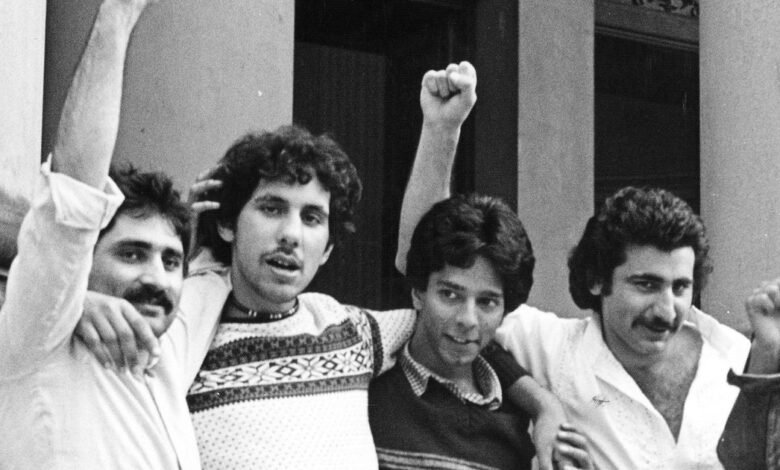
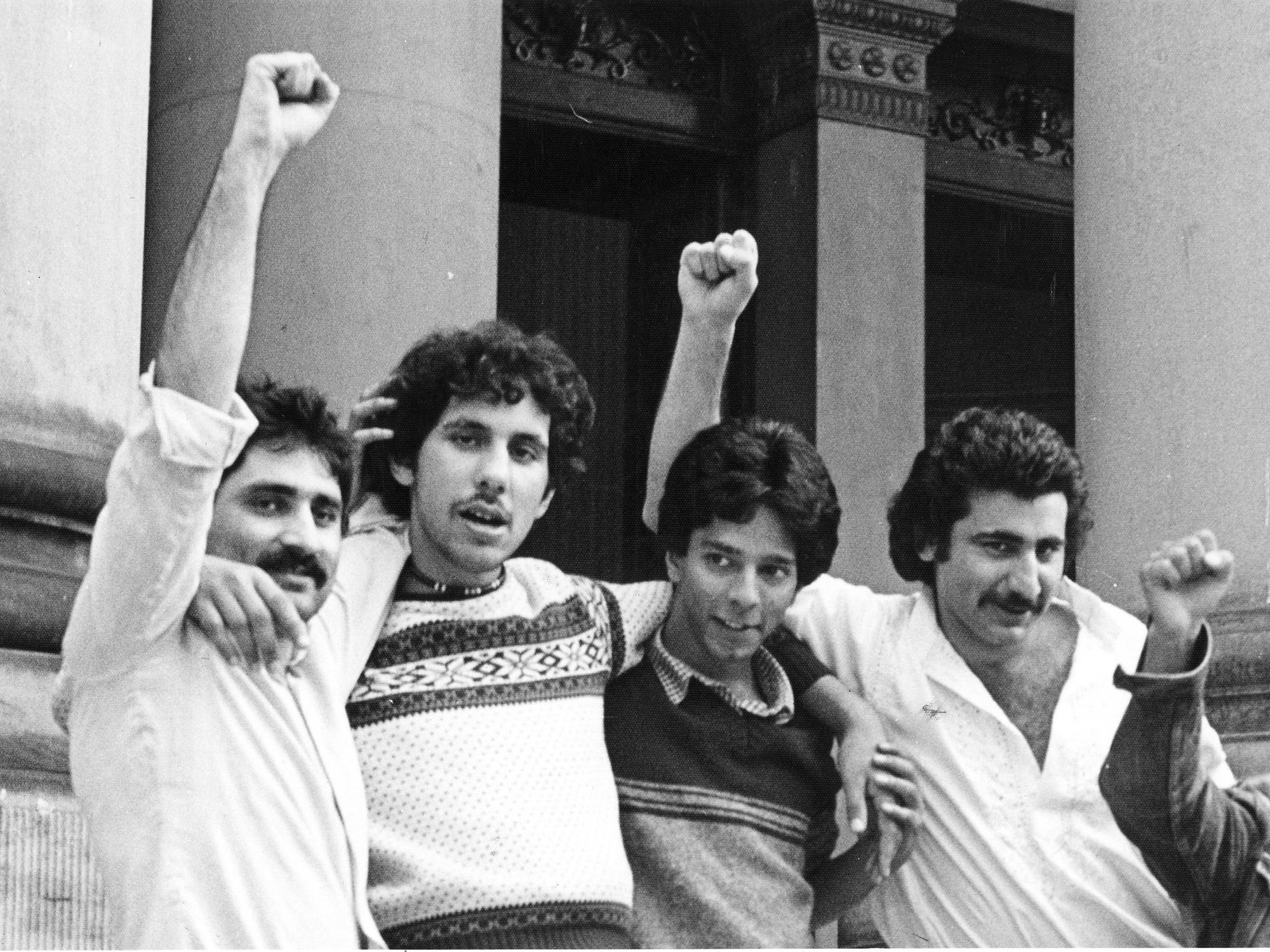
The documentary centres on the 1981 defence campaign of the Bradford Twelve, a landmark trial where several activists were arrested for possession of Molotov cocktails, leading to a charged awareness campaign against racialised violence. Encircling this case was a wave of progressive unrest catalysed by years of deadly injustice in the Seventies, as the film’s heavy opening lays out. Yet, the first footage seen is of contemporary pro-Palestine marches, making it clear that Rebellion is not retrospective. In documenting a wide-spread national protest movement, Rebellion radically transposes history’s freedom fighters across time, positioning this archive-heavy documentary in both the “then” and “now”.
Get more Little White Lies
Before radical action, however, the suffering must be expounded. Anchored to their childhoods, the beginning of Rebellion builds a case file of multifarious racial abuse subjugating the documentary’s subjects, those primarily being members of the activist group the United Black Youth League. Memories of the National Front and unpunished murders evoke tears decades on from victims and families, but despite the scars, the story at the heart of Rebellion is one of resistance. It is the creation of the League, the Asian Youth Movement, the maternal fight of Anwar Ditta to reclaim her children from The Home Office, such totemic shifts are the coordinates for the film’s charted course, mapping a previous anti-Imperialist campaign to progressive protest today.
Said milestones are formally retold dually: firstly through archival footage and secondly through talking heads. The former is used liberally, painting broad, Super 8 strokes of the simmering scene. Grainy swathes of placards, mullets and rage are presented, less to punctuate any narration, more as a means to cultivate inflating tensions through sheer volume of footage. Its narrational companion, the talking heads, are executed more conservatively. Formulaic neutral backgrounds and snippety statements, none of it is new territory for a documentary, but this directorial light-touch is well founded. Choked-back tears, unshakeable anger, and poise in the face of hostility – the rebels’ words are weighty enough without intervention from Fero and Mehmood.
Steadily these two formal legs march the viewer through an immense chapter of political unrest, yet even at the credits, Rebellion doesn’t drop its arms. No one is under any auspices that the job is done, even when the timeline of the Twelve is complete. This isn’t a history lesson but an urgent reminder that protest still has power. Concessions from foreign secretary Ed Miliband, about the previous government wrongly ignoring pro-Palestine protests, suggest that Rebellion couldn’t be more accurate and timely.