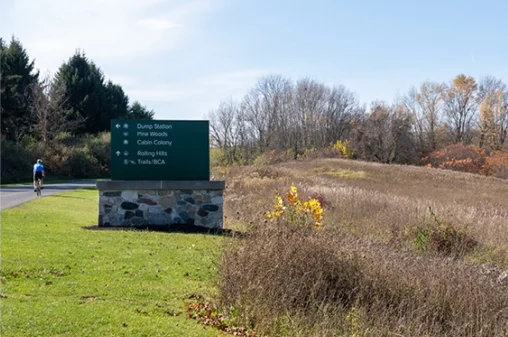
 Through the ongoing implementation of the Reduced Mowing Policy — part of the New York State Pollinator Protection Plan — grow zones have become a staple at state parks and historic sites.
These zones, where native grasses and wildflowers are allowed to grow tall, benefit the environment and local wildlife, proving to be more sustainable than traditional mowed areas and enhancing visitor experience in new ways.
Environmental Benefits
Expanding managed grasslands and native meadows in previously mowed areas not only enhances habitat for wildlife but also enriches the visual and recreational experience for visitors.
While manicured lawns offer little support for wildlife, these natural grow zones provide essential food sources, nesting habitats, and shelter for birds, small mammals, and native pollinators.
Bees, butterflies, and moths play a crucial role in maintaining biodiversity by pollinating up to 85 percent of flowering plants worldwide. By nurturing their habitats through reduced mowing, we’re fostering a diverse variety of plant and animal life in the parks.
The re-wilded meadows bring new seasonal beauty, especially during autumn when they showcase a different kind of “fall foliage.” These fields of golden and russet grasses can be admired alongside the brilliant colors of our forests, adding richness to the tapestry of fall colors that visitors love.
 Sustainability
Reducing mowing also brings significant environmental benefits. Running a lawn mower for an hour produces as much carbon dioxide as driving a car for 100 miles. By decreasing the areas that need mowing, State Parks is cutting down on emissions and improving air quality, benefiting park visitors and the planet.
Reduced mowing means fewer carbon dioxide, carbon monoxide, and nitrogen oxide emissions — gases that contribute to global warming and smog.
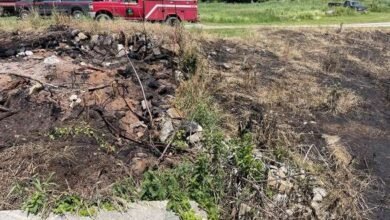
Allowing grow zones along steep slopes, shorelines, and bluffs helps stabilize soils, reduces erosion, and mitigates stormwater runoff, which supports better water quality and decreases flood-related impacts in parks.
Grow zones also free up park staff to focus on essential maintenance and other important projects; and the reduced mowing program saves costs related to equipment and fuel.
Visitor Experience
In popular recreational areas, lawns provide space for picnicking, sports, and events. But in underused areas, mowing can be labor-intensive, costly, and environmentally taxing. The incorporation of more grow zones offers a variety of new recreational possibilities.
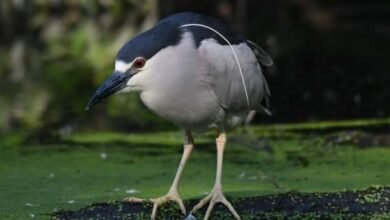
Are you one of the 20 percent of New Yorkers who enjoys birdwatching? Then you’ll be pleased to know that these wild areas serve as prime stopover sites for migratory birds and habitats for nesting.
The meadows also attract butterflies, native bees, small mammals, and other wildlife, creating abundant opportunities for wildlife observation. New trails weaving through the grow zones allow visitors to experience diverse habitats up close.
Interpretive signs along these trails highlight New York’s native plants and animals, while educational programs bring visitors deeper into these thriving ecosystems. Blooming wildflowers add a seasonal draw for visitors, showcasing nature’s beauty year-round.
By reducing the areas that require frequent mowing, State Parks are “growing” in every sense — nurturing native plants, enhancing habitats for wildlife, improving staff efficiency, and expanding recreational options for visitors. Keep an eye out for these “grow zones” at a park near you.
A version of this essay by State Parks Sustainability Manager Jordan Elliott, first appeared on the New York State Parks & Historic Sites Blog.
Illustrations, from above, provided by State Parks: A reduced mowing zone; and a pollinating bee.

Source link