French filmmaker Judith Godrèche sadly has unique insight when it comes to the lifelong trauma of sexual violence and your body being used against you. She has been the victim of alleged assaults from three prominent men in the movie industry, one being Harvey Weinstein, who she alleged attacked her at the Cannes Film Festival in 1996. 30 years later, Godrèche offers us Mémoire De Fille (A Girl’s Story), based on Annie Ernaux’s Nobel Prize-winning memoir of the same name. The film that follows naïve teenager Annie (Tess Barthélemy) during the 1958 summer that changed her forever. Cinema has habitually only shown the two drastic ends of the sexual spectrum: either passionate sex in which all parties finish at the same time (no foreplay needed, of course) or violent, agonizing acts of rape. Increasingly movies like A Girl’s Story and How to Have Sex strive to fill in that very expansive grey area of sexual violence, and Godrèche uses Anna‘s story to illuminate how society beats down women and leaves them believing that they brought it on themselves.
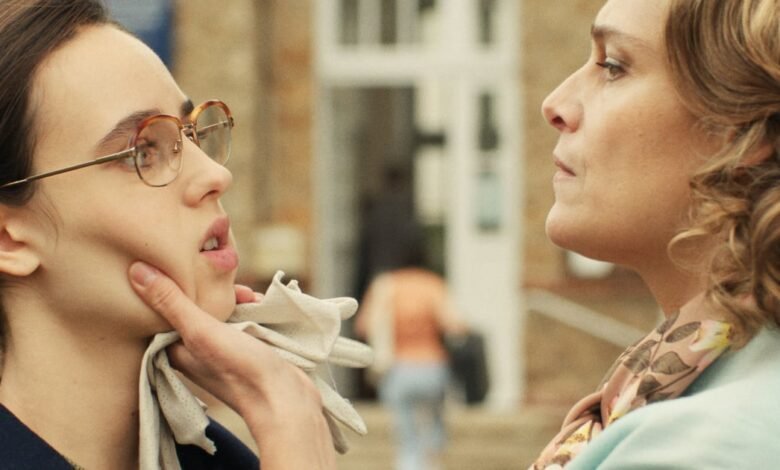
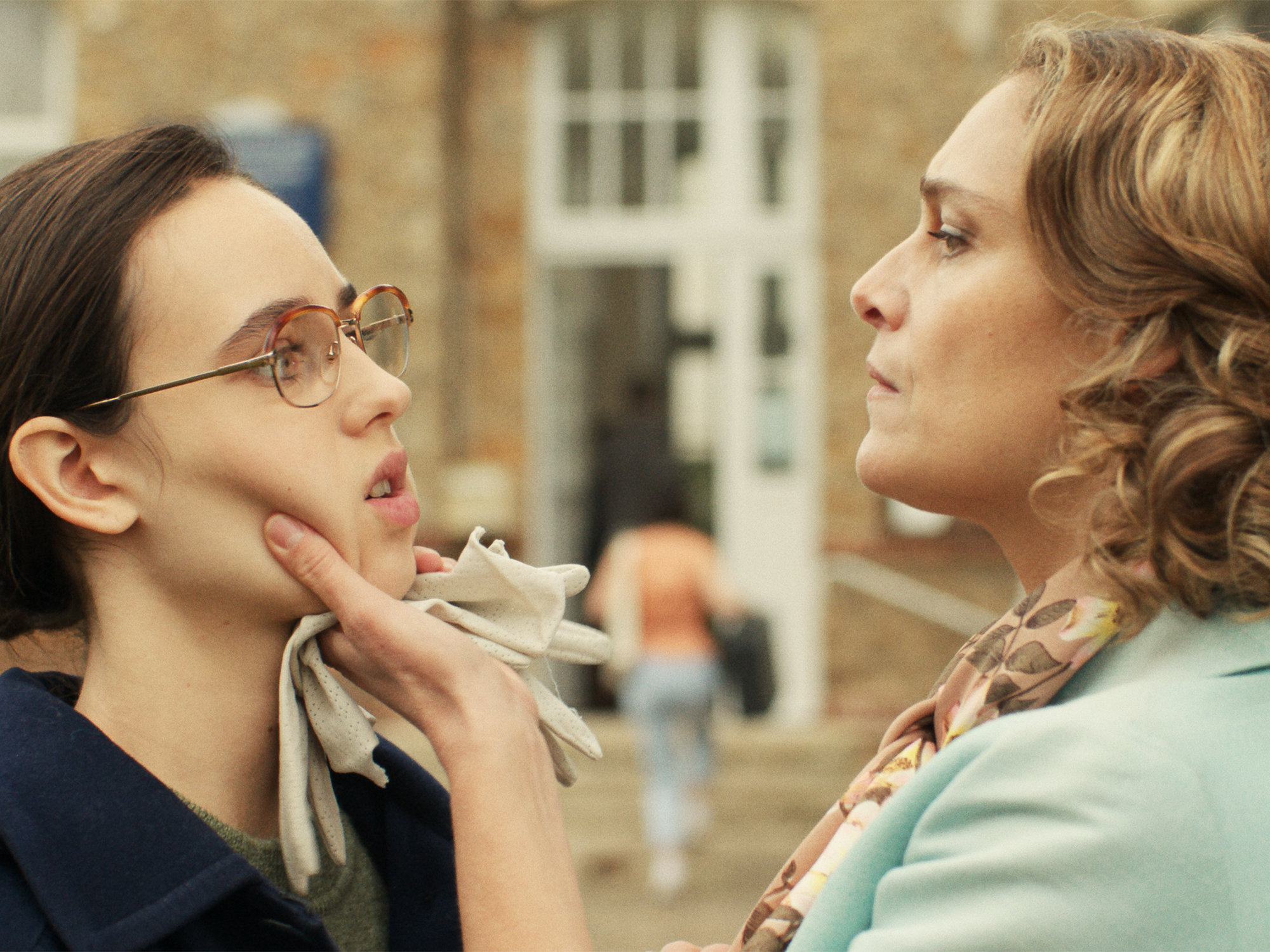
When Annie arrives at a children’s camp for her first summer as a counsellor, she sticks out like a sore thumb from the other counsellors who drink, smoke, and have sex. Annie’s repressed Catholic background immediately puts her in the sights of the young men and women around her. She is tormented by the girls for being unfashionable and “prudish” but her virginal innocence immediately captures the young men’s ravaging eyes, especially H (Victor Bonnel), the athletic and handsome but volatile head counsellor. Over the summer, Annie loses her innocence repeatedly and comes out a more confident but internally broken new version of herself, empowered by her newfound maturity, but tormented by her body, as she says, not being her own anymore.
Get more Little White Lies
Despite taking place over 60 years ago, Godrèche ensures that Annie’s experience feels universal and timeless. The hypocrisy of mocking women for their prudishness then shaming them when they (are forced to) become sexual beings; the positioning of women as competitors for the affection of men, and the maddening forced maturity women experience in adolescence. Godrèche often uses the camera to put us in the eyes of Annie, dizzily dancing around the room, allowing us to feel her elation and fear at finally being on the other side of a life she has only ever read about. Godrèche uses close zoom-ins during the intimate scenes as we suffer through the pain of Annie’s body feeling like a weapon that has been taken out of her possession and turned on her, skilfully capturing the terrifying feeling of your mind and body being at odds with one another. The devotion of Godrèche’s lens to Barthélemy and to Annie prevent these moments from ever positioning her as an object to leer at.
The final act can does occasionally feel cloying as the previously contained story attempts to take on womanhood as a whole, especially when the beautifully sweeping score is swapped out for sugary needle drops. Yet Tess Barthélemy gives an unflinching performance, slowly building on Annie’s transition from doe-eyed, romantic country girl to a teenager now plagued by the realities of the world. Amid the suffocation of Annie’s forcing-of-age, Godrèche allows the audience brief reprieves by allowing us to watch Barthélemy’s contemplative stares as the previous events bury deep inside her psyche and body, taking hold forever. It’s an affecting portrait of innocence lost – one that every woman will see part of themselves in, for better or worse.