In the caustic, socio-realist coming-of-age drama I Matter, characters find themselves on a constant conveyor belt of cramped institutions. Opening in a Bucharest prison, where Roma teenager Rebeca’s (newcomer Denisa Farcaș) father is serving time for a wrongdoing he was driven to by poverty, the film then spends time in a cut-throat homeless shelter and winds up in a very different kind of establishment: an elitist drama school. But its most important institution is the orphanage which Rebeca comes to terms with calling home. Whether it is ever possible to break free from this vicious hard-knock cycle – only made worse by a shoddy welfare system – is the question asked by writer-director Alina Șerban, who is among the first Roma filmmakers to have their feature première at a major film festival.
The feature-length expansion of Șerban’s 2021 short of the same name follows a trajectory which is well-trodden and a little starry-eyed – a story of an underdog triumphing against all odds. Șerban draws plenty of parallels to her own life in her script, not least her navigation of the theatre realm as an early-career actor from a marginalised background. But while its narrative arc feels overfamiliar, there is a genuine, thrilling freshness in I Matter’s explosively funny script, boundary-pushing technique and bracingly snappy pacing.
Get more Little White Lies
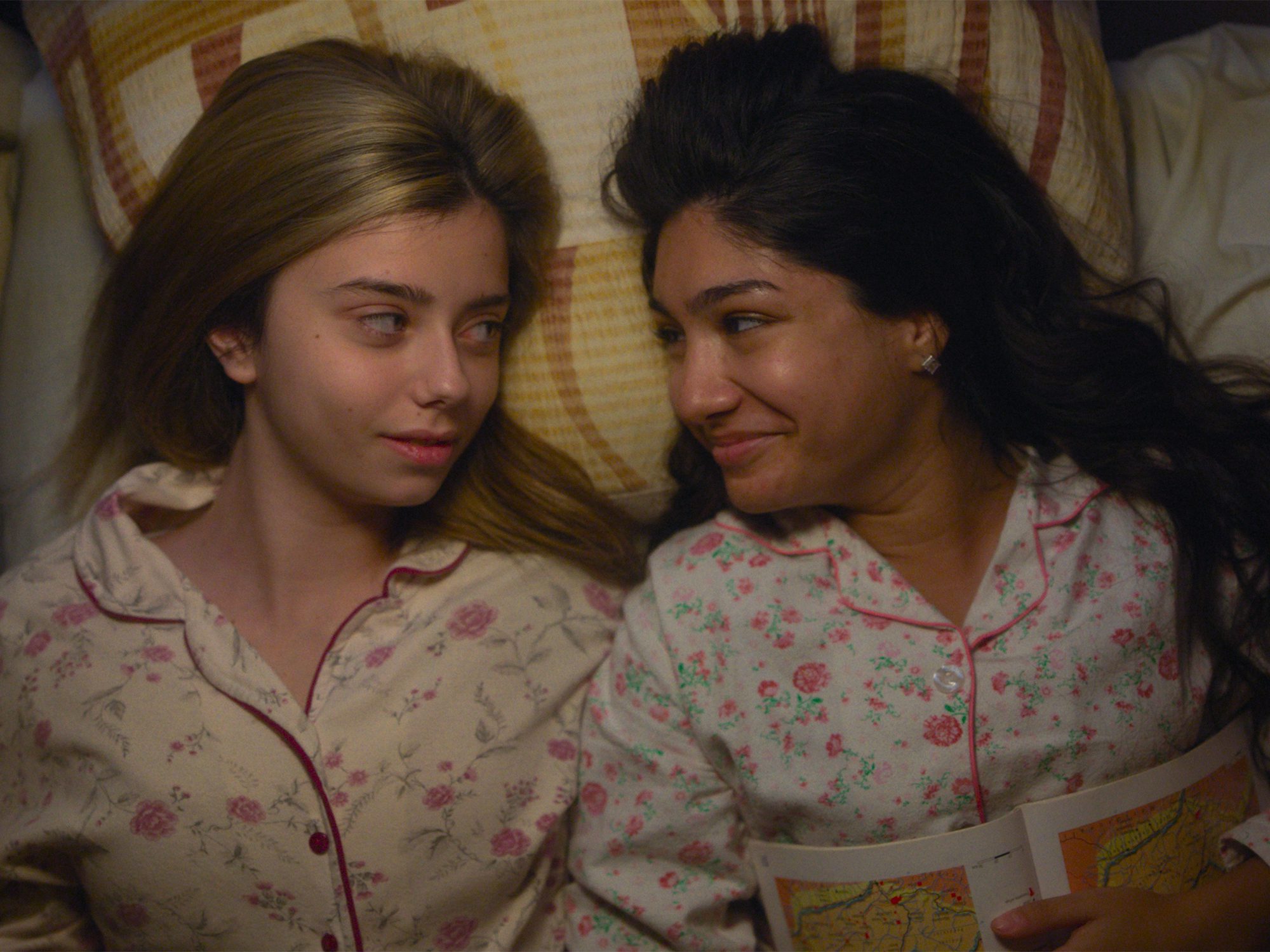
Break-neck cuts and brisk scene changes open up a world of juxtapositions and contradictions pertaining to life in the orphanage, which clamours with 16 kids (all played by first-time child actors). Though the reality may be harsh here, this is a summer camp movie at heart. Birthday cake is on constant rotation, food fights are forever erupting, bunk-bed feuds break out and youngsters try to muscle their way into the social hierarchy. But it’s certainly not all fun and games. Nona Cătușanu’s cinematography and Letiția Ștefănescu’s canny editing contrasts childish glimmers of hope with the kids’ bleak and brutal backstories.
Though being here is no picnic, the orphanage’s denizens will do anything to avoid the alternative – life on Bucharest’s streets. Now on the cusp of turning 18, Rebeca – thick-skinned but ultimately a dreamer – must pass her exams if she wants to avoid being turfed out by government inspectors. Like much of contemporary Romanian cinema from the likes of Radu Jude or Emanuel Pârvu, Șerban is concerned with the brick wall bureaucracy which makes life near unlivable for those dealing with adversity.
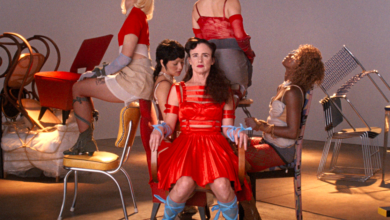
Anti-Roma discrimination is an ambient backdrop to Rebeca’s journey, present in everything from graffitied slurs to street-level microaggressions. It’s when she is confronted by the privileges of her drama school classmates that this reaches its dramatic apex and threatens her shot at her dream career. In this portion, in which Rebeca is surrounded not by the high-energy crew at the orphanage but overprivileged acting peers, the film loses its quippy humour and dynamism.
The breeziness that often accompanies Rebeca’s poster girl success story sometimes sits uneasily with the film’s murkier thematic terrain. Șerban doesn’t know how to address the fates of the orphans who are less fortunate, instead opting to brush their stories off Rebeca’s shoulders. Although I Matter sags under the weight of its own ambition towards the end and teeters on the edge of sentimentalism, this rough-hewn feature shows real potential and is a brilliant showcase for its young lead.