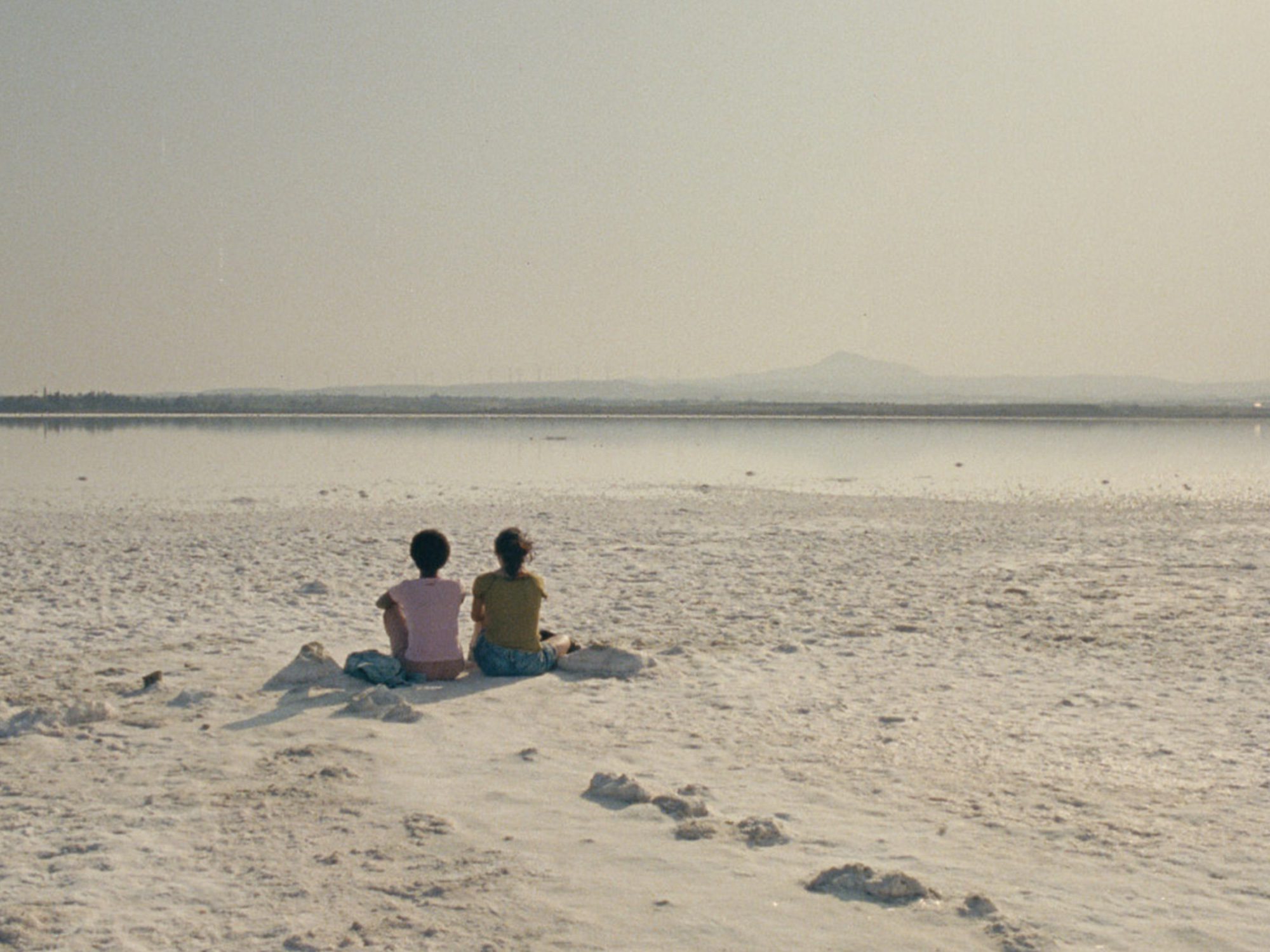
When you’ve got a lion behind you and the sea in front of you, the only choice is to dive in and hope for the best. So says Mariama (Sokhna Diallo) a Senegalese immigrant in Cyprus who, the day after her 18th birthday, has been turfed out of a special facility for child refugees and told she has to fend for herself now. With no papers or prospects, Mariama sneaks back to the facility at night, and it’s up to the taciturn cook and cleaner, Stella (Elena Kallinikou), to turf her out each morning. And that’s an easy job for Stella as she’s someone who has, during her tumultuous life, been forced to suppress the emotions linked to a dark past, all in a bid to secure some kind of future for herself.
Stella, currently living in a shared house with a bunch of wasted drop-outs, is looking to secure a new apartment, which is just one rung on the ladder to be reunited with the daughter she had taken from her due to past dalliances with drugs and more. The problem is, going cold turkey has been difficult for her, and she manages to ward off the DTs with a few calming droplets of liquid cannabis. As her job at the facility is part of a drug rehabilitation programme, she has to constantly undergo urine tests, and so decides to give Mariama a temporary roof as a quid pro quo for some untainted pee.
Get more Little White Lies
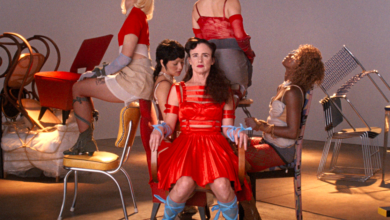
Tonia Mishiali’s heartfelt film charts the maternal relationship that blossoms between the brooding Stella and the ebullient Mariama. Due to her chronic sense of shame, Stella never feels quite ready to unload her demons onto Mariama, and as such never really questions how and why this sweet young woman ended up alone in Cyprus. Both women exude a genuine and surprising strength, even when allowing old habits to get the better of them. One of the film’s most quietly moving scenes is one where Stella attends an essential dance therapy session (“It helps me stay normal,” she says) and, through physical movement alone, all her secrets are laid bare for the camera.
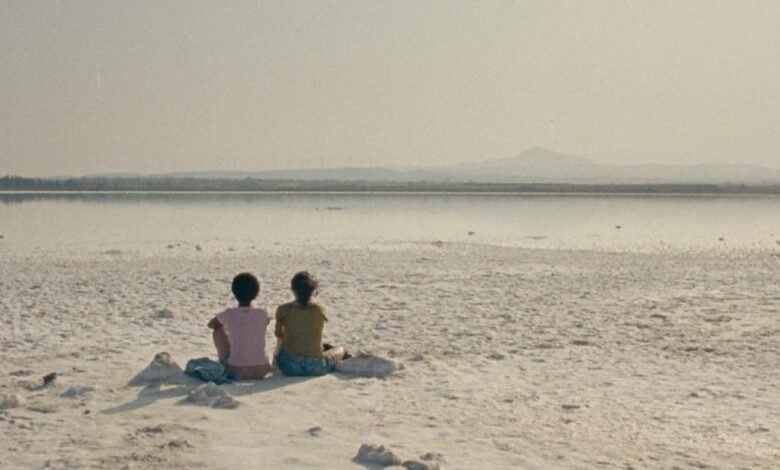
Via gorgeous 16mm photography, Mishiali and cinematographer Manu Tilinski capture the idyllic, sand-blasted landscapes of the unnamed Cypriot coastal town where the action takes place, as well as the stories and the history that are hidden in the expressive faces of the two lead actors. In its final third, things get extremely dark as Stella is forced to reconnect with some seedy old acquaintances to secure the cash she needs for a down payment, and the film shifts a little in foregrounding the question of just how strong the bond between the protagonists is.
In fact, it’s a story which seems jerry-rigged for either depressive disaster or overwrought sentimentality, and props to Mishialifor locating a satisfying third route which leaves things at a point of authentic continuity. It’s a powerful work about the necessity of female solidarity and mutual care in an environment that is rife with repellent male operators.