Amid countless documentaries about war, genocide and state tyranny, the fact we rarely we see one from Belarus is worrying. When protests erupted against Alexander Lukashenko in 2020, the dictator responded with mass arrests and torture, then tightened his grip further after facilitating Russia’s invasion of Ukraine, making public dissent nearly impossible. Now, well over a thousand political prisoners remain in jails that are notorious for unspeakable human rights abuses, while others live in hiding or scatter into exile, caught between desolation and interrogation. It is from this reality that Andrei Kutsila, a prominent Belarusian filmmaker in Polish exile, spent five years making Letters From the Silenced Country, a gut-punching yet vital portrait of the present state.
With writing the last stable channel between victims and the world, Kutsila gives his documentary an apt essayistic mode, grounded in voice-over testimony, essays and letters. To give form to the unreachable, unseen and unsaid, he draws on a rich multimedia arsenal, granting each story a visual register attuned to its teller so that every silenced voice lays bare a different facet of oppression.
Get more Little White Lies
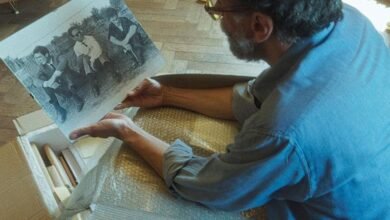
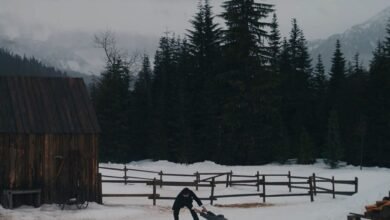
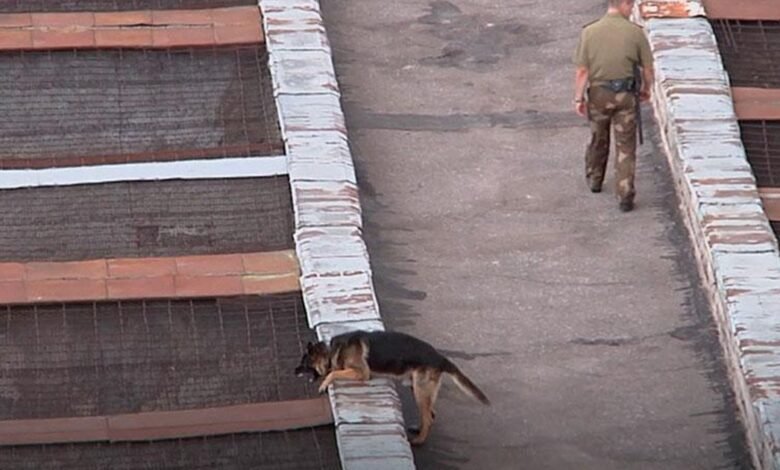
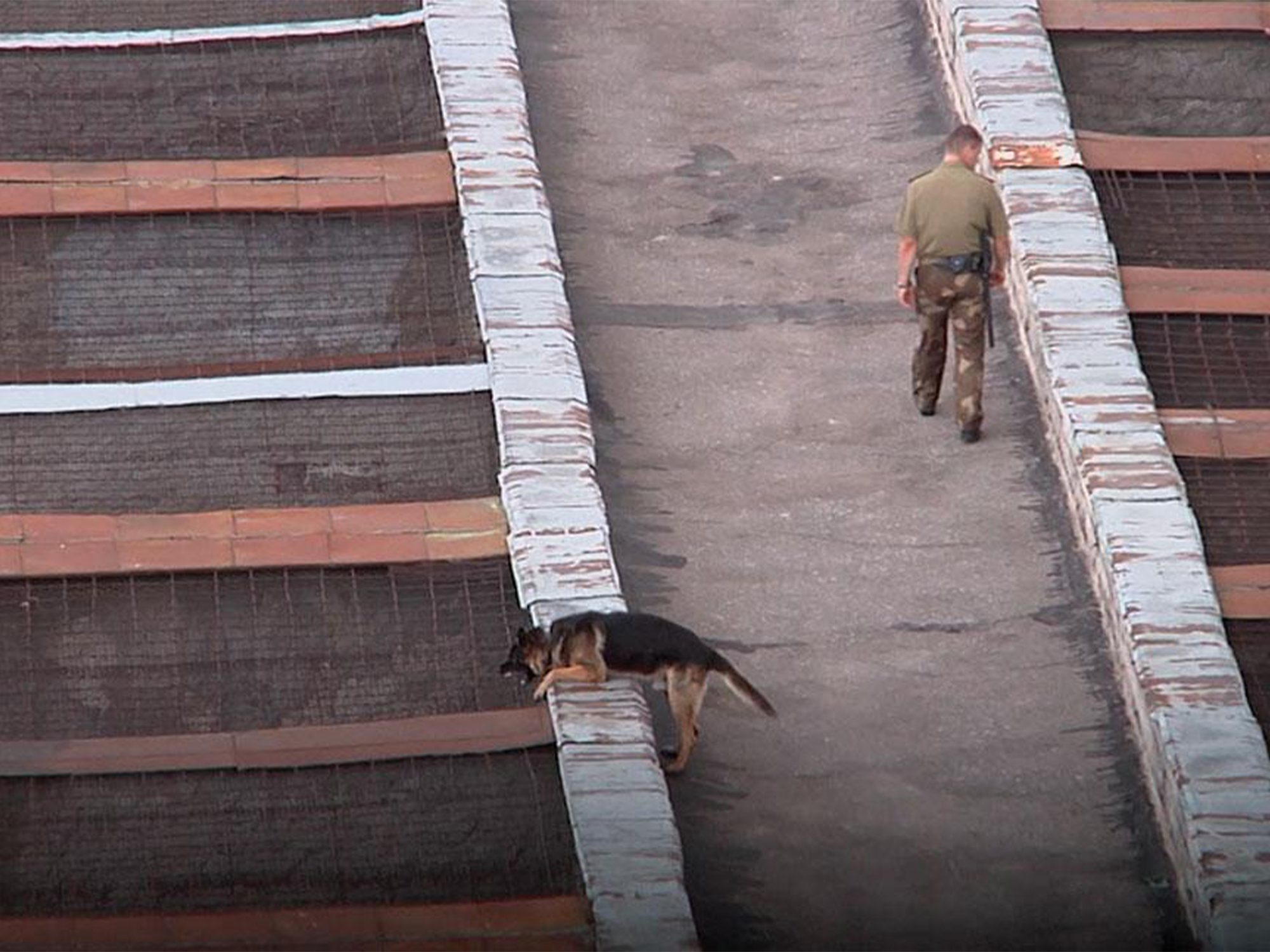
We meet Vitold first through his aching correspondence with a friend who sends him colour-printed amateur photographs of ordinary life, while Open Source Intelligence material brings us closer to him, drifting around prison walls on Google Maps and zooming into the security forces until their faces dissolve into pixels. A former criminal investigator now in exile emerges through archival and private footage, including his testimony to the Polish authorities. He lives in isolation to keep loved ones at home out of danger, yet when asked if he feels safe, cannot bring himself to say yes. Another man also jumps at every sound, this time from inside the country, evading surveillance in seclusion and certain that arrest and separation from his daughter are only a matter of time.“Belarus is falling silent, sinking beneath the ice,” he says over observational footage of its deserted, wintry streets. However different their lives and geographies, the protagonists ultimately converge on the same desolate refrain, arriving after a pause: “Complete solitude, the impossibility of being heard.”
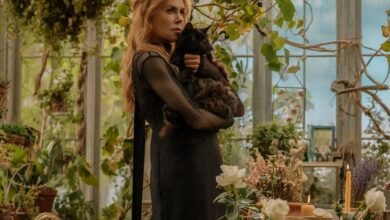
Of all the film’s ways of recontextualising the instruments of oppression through private correspondence, Kasia’s strand makes that formal gesture most tangible. From the drawings of a student in her early twenties, Kutsila carries to the screen the charcoal-and-graphite texture of the cramped, dark cells of a women’s penal colony, lending their starkness the sensorial weight of the confinement she draws and describes. When her recollections and reflections darken, instead of reenacting them, Kutsila expands her own metaphors by letting animation break from reality’s confines. And so, the tin can she likens life, to sprouts a ladder tall enough to climb out on.
Where When Flowers Are Not Silent (2021), his film about the women of the protests, including his own brutally detained sister, turns from black-and-white to colour in its final affirmation of human dignity and hope, Letters lands on a far more bitter note – tragically an earned one. At last, Kasia says she can no longer receive letters from friends and is now only allowed to draw abstractions, and here Kutsila’s refusal to gloss the ending with a consoling note reads as something of a directorial ethic of sobriety. In that uneasy aftertaste lies Letters’ larger power, reaching far beyond Belarus and further still beyond a reckoning with what democracy can cost. Its most haunting achievement is to make us confront how easily we forget those who stood against tyranny and failed, and how loudly their silence screams of the catastrophe.