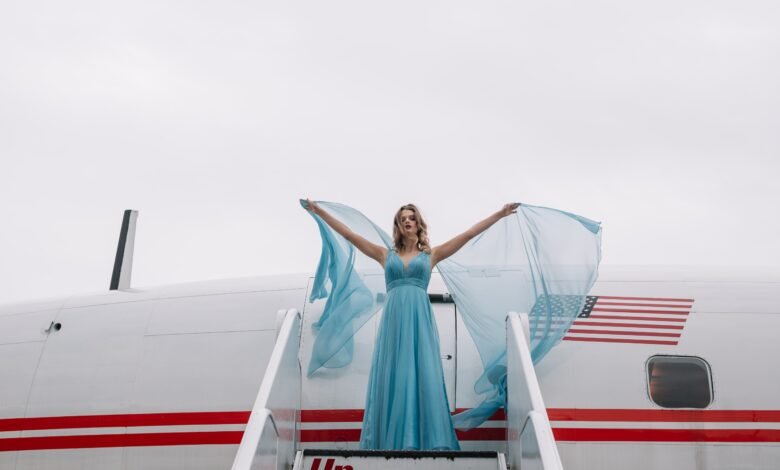
When you’re looking for a formal dress, chances are you start with color and shape. Maybe you know you want something blue, or you’ve already decided that a fitted dress is more your thing than a ball gown. Fabric tends to enter the conversation a little later, which is funny considering how much of the experience of wearing that dress comes down to what it’s actually made of.
Chiffon, satin, and tulle are three fabrics you’ll come across constantly in formalwear, and choosing between them isn’t really about deciding which is the most luxurious or fashionable. They do different jobs. Chiffon is light and fluid, satin is smooth and more defined, while tulle can create the kind of volume that simply wouldn’t happen with either of the other two. Your event matters, of course, but so do the weather, the venue and whether you’d rather spend the evening in something that floats around you or holds a very definite shape.
Chiffon: The One That Moves
Chiffon is a sheer, lightweight fabric with a slightly textured surface, and it can be made from silk as well as polyester and other synthetic fibers. In formalwear it’s almost always layered or placed over a lining, for the rather obvious reason that a single layer doesn’t provide much coverage.
Its real appeal is movement. That’s why it works so well for draped dresses, A-lines and skirts made from several fine layers. It can also be a very forgiving choice if you don’t want a gown that feels fitted all the way through the hips and legs.
Where Chiffon Works Best
If the invitation involves a garden, a beach or a summer afternoon, chiffon immediately makes sense. A heavy structured gown can become considerably less glamorous once you’ve been wearing it outside in July for three hours, while chiffon tends to feel lighter and easier. It’s a favorite for bridesmaid dresses for much the same reason: it looks formal enough for the ceremony but doesn’t require everyone to spend the reception negotiating a complicated skirt.
It also photographs particularly well outdoors because those soft layers respond to even a little movement in the air. That doesn’t mean chiffon is limited to daytime weddings, though. A floor-length chiffon gown in navy, burgundy or another deep color can work perfectly well for an evening event.
What Chiffon Doesn’t Tell You in the Photograph
The downside is that chiffon isn’t especially tough. It can snag on jewelry, rough surfaces and sharp little bits of handbag hardware that you didn’t know were sharp until they met your dress. It’s also prone to wrinkling, although steaming will usually deal with that fairly quickly.
When buying online, check what the dress is lined with and where that lining ends. A chiffon skirt may look opaque in a studio photograph while becoming noticeably more sheer in strong daylight.
Satin: The One That Knows It’s Dressed Up
Satin brings a completely different mood. Strictly speaking, satin describes a weave rather than the fiber itself, so you’ll find satin made from silk, polyester and various blends. What they share is that familiar smooth surface and sheen.
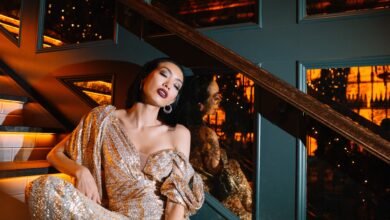
That sheen does a lot of the work in a formal dress. A plain satin gown can look quite luxurious without a bead or sequin anywhere on it because light moves across the folds and contours of the fabric. This is also why satin looks particularly good in rich colors.
Where Satin Really Works
For black-tie events, evening weddings and formal dinners, satin is an easy choice. It suits fitted mermaid dresses and sleek columns, but it can also give a ball gown enough structure to hold a beautifully defined skirt. The overall effect is usually more polished than relaxed.
Fall and winter are particularly friendly to satin, especially the heavier versions. For summer, look at the actual weight of the fabric rather than dismissing satin altogether. A lightweight satin slip dress and a heavily structured satin ball gown may share a name, but wearing them on a hot day is a very different proposition.
Satin Has Very Little Interest in Hiding Things
This is the fabric where fit deserves extra attention. Because satin is smooth and reflects light, it tends to make pulling, bunching and underwear lines easier to see. If the fabric is straining across the hips, you’ll probably notice it. Going up a size and having the waist adjusted can sometimes produce a much cleaner result. It’s worth checking the dress while sitting as well as standing. Look at the back and sides, walk around in it and wear the undergarments you’re actually planning to use.

Tulle: When the Skirt Is Part of the Plan
Tulle is a fine net fabric, generally made from nylon or polyester in modern formalwear, and its great talent is creating shape without adding the weight you’d get from layers of a heavier material. One layer is sheer and delicate; several layers can produce a skirt with serious volume.
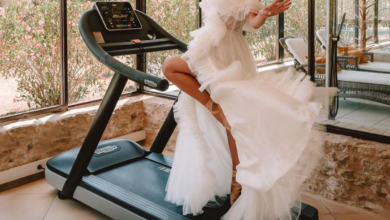
This is why tulle has become almost inseparable from the classic ball gown. It can create that huge, sweeping skirt while still moving when you walk.
Prom Is Practically Tulle’s Natural Habitat
Prom is one of the few occasions where a very full skirt doesn’t require much explanation, and tulle is brilliant for it. It can be romantic, dramatic or surprisingly modern depending on what’s happening with the bodice. Designers also use it for overskirts, sheer sleeves, ruffles and illusion details.
The quality of the tulle matters, particularly anywhere it touches bare skin. Softer varieties can feel almost weightless, while stiffer tulle around the neckline or arms can become irritating over a long evening. If comfort is important, don’t just look at how the skirt falls. Feel the fabric around the seams and edges too.
Volume Needs a Little Practical Thinking
A large tulle gown needs room, and that’s worth considering before falling in love with one. It can be wonderful in a ballroom and rather less convenient at a small restaurant where the tables are packed together. The same goes for transport. Getting a very full skirt into the back of a compact car is possible, but perhaps not the glamorous opening scene you had imagined.
How the volume is distributed matters more than arbitrary rules about body type. Some tulle skirts begin expanding immediately from the waist, while others fall more gently before opening out. Try different versions and see which proportion you prefer.
So Which Fabric Fits the Event?
For a warm outdoor wedding or garden party, chiffon is usually the easiest of the three. It feels lighter and its movement suits a more relaxed setting. Satin comes into its own at black-tie dinners, evening weddings and cooler-weather events, particularly if you’re after a cleaner, more sculpted silhouette. And for prom, a formal ball or any occasion where you genuinely want a dramatic skirt, tulle is difficult to beat.
What Do You Actually Want to Feel Like?
This is probably a better question than asking which fabric suits your body type. If you don’t like fabric clinging around your hips, chiffon gives you softness without much structure. If you love a sleek, defined line, satin is far more likely to give you what you’re looking for. If you’ve been picturing yourself with a full skirt since you started shopping, you’re probably going to keep coming back to tulle anyway.
Comfort matters too. Think about how long you’ll be wearing the dress and what the event involves. Six hours of sitting, eating and dancing can change your opinion of a gown that felt perfectly comfortable during a five-minute fitting.
A formal dress isn’t a photograph, so give it a small test drive before deciding. Walk across the fitting room, sit down, turn around and lift your arms. Chiffon should move easily with you. With tulle, check the skirt from the side as well as the front so you can see its actual volume. With satin, look for pulling and watch what happens to the fabric as the light changes.
If you’re buying online, close-up images and videos are much more useful than one perfect full-length photograph. They can tell you whether the satin is fluid or heavy, whether the chiffon has several layers, and just how much tulle is hiding in that skirt.
Explore NewYorkDress for evening dresses, prom gowns and formal dresses in chiffon, satin and tulle, and compare how different fabrics work with the silhouettes you already love.
Source link