Western horror cinema tends to come in waves: 80s slashers, 90s meta-comedies, 2000s torture porn, 2010s found footage, and most recently an explosion of arty, theme-heavy “elevated horror” entries. In 2026, a few new visions from emerging filmmakers (who coincidentally all got their start on YouTube) are giving us glimpses at what the next big movement may be, from Mark Fishbach’s surreal, slow cinema-adjacent Iron Lung to Curry Barker’s brutal black comedy Obsession. The one major Gen Z theme yet to make an appearance was “liminal horror” – the unsettling vibe one gets from off-kilter empty spaces. To fill that void arrives Kane Parsons’ Backrooms, and with aplomb.
The Backrooms originated in a 4chan post, which became a “creepypasta” then further popularized by Parsons in a series of YouTube short films. The concept is bizarre: An infinite maze composed of erratically (and creepily) designed interior spaces, which one can slip into by accident and become lost within. In Parsons’ directorial debut, this is exactly what happens to Chiwetel Ejiofor’s Clark, a downtrodden furniture store owner who becomes instantly obsessed with the space’s mysteries.
Get more Little White Lies
Parsons’ original YouTube series is of the “analog horror” variety, digitally animated footage tricked to look photoreal by way of a VHS filter disguise. Their best feature is their simplicity, leaning on the unnerving, uncanny way that the Backrooms stitch together ordinary things – doors, stairs, windows, walls – in incorrect ways. A feature film demands characters and narrative, though. Clark and his therapist Mary (Renate Reinsve) have distractingly pronounced Traits and Backstories. Backrooms is at its worst when it’s trudging through what feels like mandatory dialogue between the two leads.
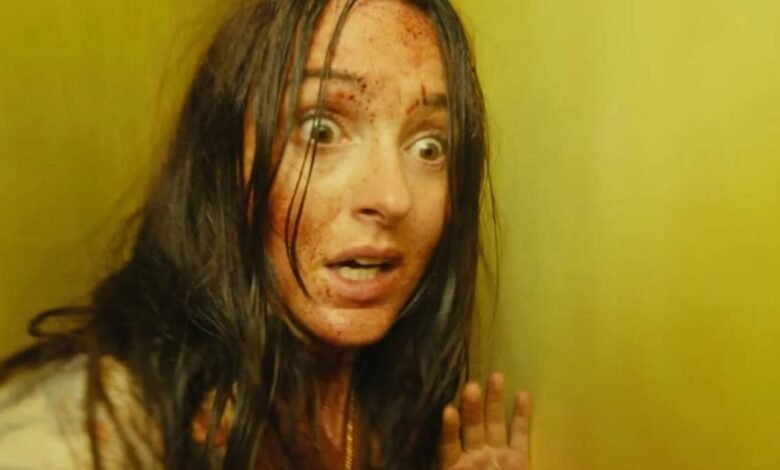
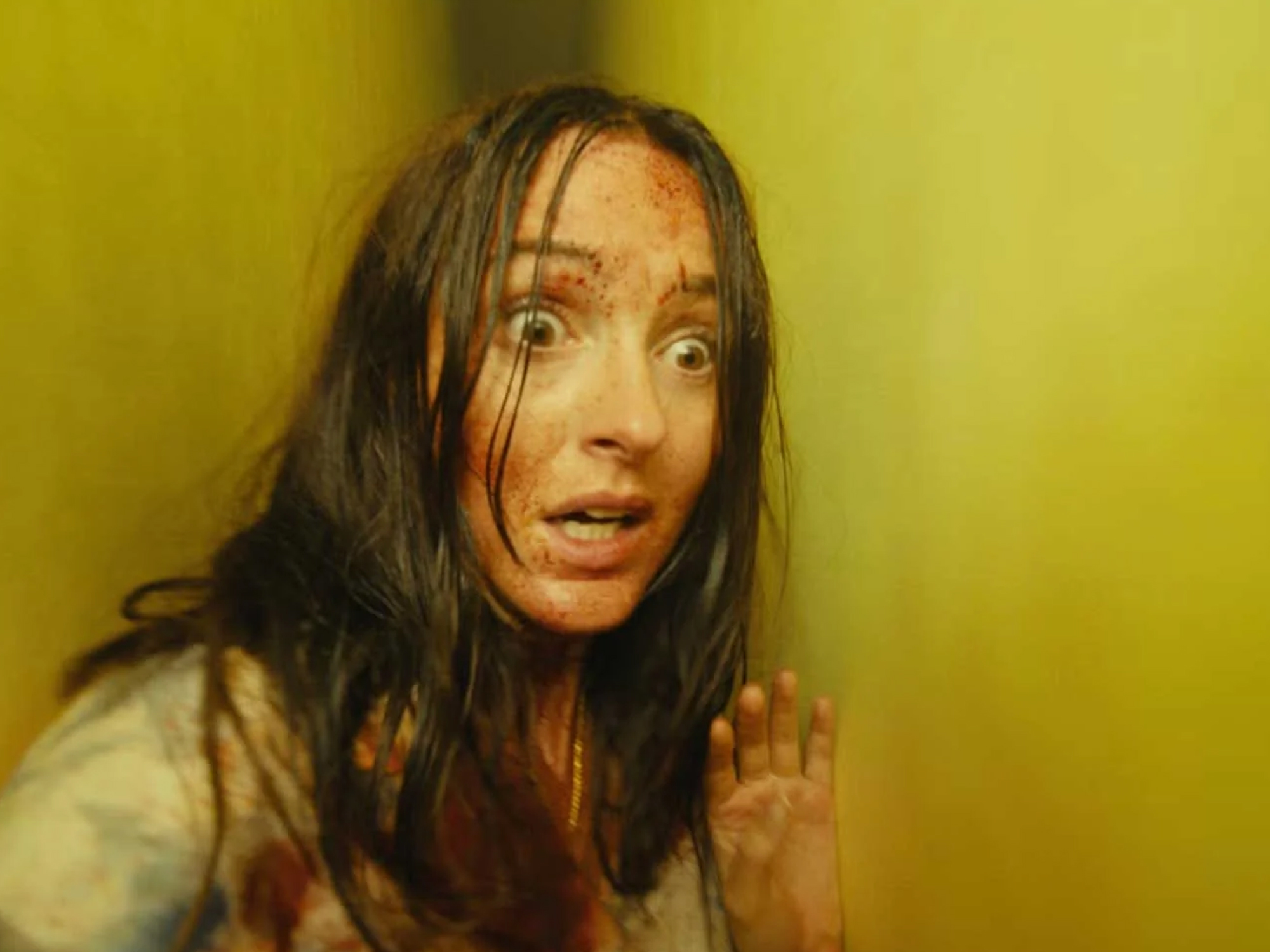
The film is at its best when Parson stays in his wheelhouse. The reason to see Backrooms is his vision of the eponymous location, rendered here in magnificent, sprawling detail. The appeal of the setting’s liminal horror risks being lost when the unreal environments are made so physically tactile, but the creative freakiness of the set design keeps things appropriately disquieting. An extended sequence early on, wherein Clark wordlessly explores room after room, is admirably restrained and genuinely scary. Parsons’ imagination is on full display here – there is truly something new around every corner. Two extended VHS found footage sequences also find Parsons in his comfort zone. The jolts in these scenes are familiar but still effective, and like the best found footage films, they thrive on the tension of things hiding just out of view.
Even outside of the Backrooms, Parsons displays a remarkably mature directorial vision for his startlingly young age (he was born in 2005). Each supposedly normal space Clark and Mary inhabit possesses the same eerie sparseness as the Backrooms themselves; as above, it seems, so below. It’s a thoughtful visual choice, a compliment impossible to bestow on most of Parsons’ contemporaries (see: the dim, muddy look of Obsession). Even as the stakes escalate and monsters begin stalking our leads, Parsons employs a relatively understated approach. Yet Backrooms ends with most of its mysteries still unplumbed. Like those yellow-wallpapered hallways themselves, it is endearingly open-ended and peculiarly captivating.