In 2008, you couldn’t move for the column inches proclaiming American filmmaker Lance Hammer to the Next Big Thing on the back of his soulful, neorealist debut feature, Ballast. Then, almost to bite a thumb at media hacks singing his hosannas, he fell quiet for 18 years before returning with the hushed, London-set drama Queen at Sea, while also casually fulfilling the prophecy from nearly two decades prior. This is a film that feels like its every frame, every nuance, every tension-filled line of dialogue has been pored over in the search for precision, and while it may look and feel like a fairly conventional tale of frayed lives and dysfunction, it’s anything but.
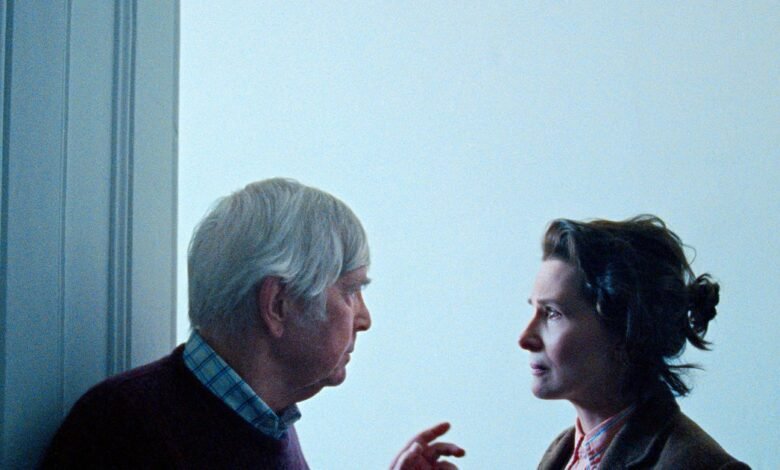
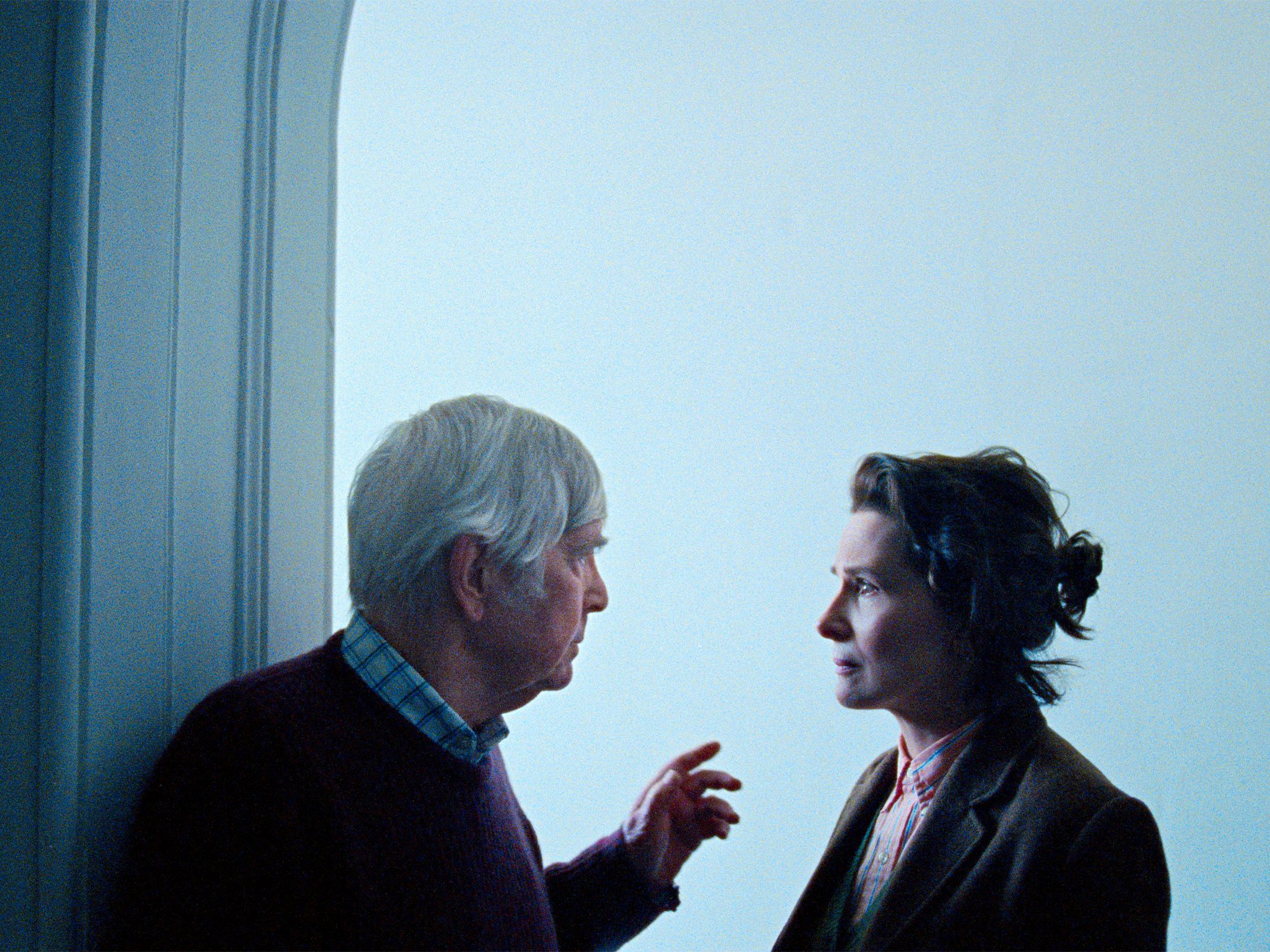
The film opens with Juliette Binoche’s Amanda letting herself into a healthily sized terraced house, tiptoeing around believing it to be empty, then walking in on her elderly mother Leslie (Anna Calder-Marshall) and stepfather Martin (Tom Courtenay) frantically copulating. She becomes wild with fury, as her mother is suffering from dementia and, she feels, has no way to consent to this. Her gut reaction is to call the police and have them investigate what she feels could constitute rape, though Martin claims it’s Leslie who demands this experience of tactile tenderness. The police come around and no one is quite sure of the protocol, yet Martin’s suitability as prime caregiver is questioned and this cosy, later-life situation begins to crumble.
Get more Little White Lies
While Hammer’s film displays superficial similarities to Michael Haneke’s Amour, itself about an ageing couple experiencing life’s inexorable fade-out, it’s much more interested in the paradoxes of love as well as celebrating the fact that the arcane desires of the human soul don’t quite chime with the science of medical textbooks and tenets of legal frameworks. Phenomenal, unguarded work from the three leads, who are all clearly wise to Hammer’s intentions, undoubtedly helps this one to fly, but this is also a work of intricate plotting, careful information delivery and subtly expressive editing. Evocative, rarely filmed London locations are used selectively, with the metropolis bathed in a sheen of mournful blue-green. The interiors of various domicles are made to look like glum prisons.
Yet in a beautiful, valuable additional touch, Hammer juxtaposes the end-game relationship between Leslie and Martin with the burgeoning puppy love experienced by Amanda’s teenage daughter, Sara (Florence Hunt). It brings an element of well-earned levity to what could have been a depressive blanket statement on the death of love, placing the film’s cruel machinations within a cosmic context of perpetual human reproduction. That said, Queen at Sea is a harrowing, vital film that offers an authentic vision of a future that many of us will likely experience.