Fashion has spent the last several years experimenting with where the waistline belongs. High-rise styles dominated for a long stretch, followed by the return of low-rise pants and skirts. Now dresses are getting the same treatment.
The drop-waist dress has moved firmly back into the conversation, appearing across Spring and Fall 2026 collections from designers including Chanel, Tory Burch, Marni, Miu Miu, and Dries Van Noten. The silhouette also showed up as one of the defining dress shapes of the summer season.
What makes the style interesting is that moving a seam a few inches lower can completely change the proportions of a dress. A drop waist does not simply look like a standard dress worn lower. It creates its own shape.
What Is a Drop-Waist Dress?
A traditional dress typically defines the body at or near the natural waist, which is generally the narrowest point between the ribs and hips. A drop-waist dress moves that visual break farther down the body, usually somewhere around the upper or mid hip.
That means the bodice continues past the natural waist before meeting the skirt. The result is a longer uninterrupted line through the torso and a skirt that begins much lower than expected.
The silhouette itself is not new. Drop-waist shapes are strongly associated with 1920s fashion, and designers have repeatedly returned to them since. Lanvin’s Spring 2026 collection, for example, revisited the house’s connection to the drop-waisted robe de style dresses of the mid-1920s.
Today’s versions, however, are much broader than the loose flapper-style dress many people picture when they hear “drop waist.”
The Waistline Changes the Entire Proportion of the Dress
Waist placement is one of the quietest ways designers control proportion.
A dress cinched at the natural waist divides the body relatively high, emphasizing the waist and allowing the skirt to begin earlier. A drop waist pushes that dividing point downward. Visually, the torso appears longer and the skirt occupies less of the overall silhouette.
That difference becomes especially noticeable in formal gowns. A fitted bodice that extends toward the hips before opening into a fuller skirt creates a very different line than a traditional A-line gown that begins widening at the natural waist.
The exact effect also depends on how low the seam falls. A subtle drop of an inch or two can feel understated. A seam positioned well onto the hips creates a much more dramatic change in proportion.
Modern Drop-Waist Dresses Are Not All Loose and Straight
The renewed interest in the silhouette has produced several very different interpretations.
Some dresses borrow directly from the relaxed shapes associated with the 1920s. These styles may have a straighter bodice, an easy fit through the waist, and movement concentrated lower on the dress.
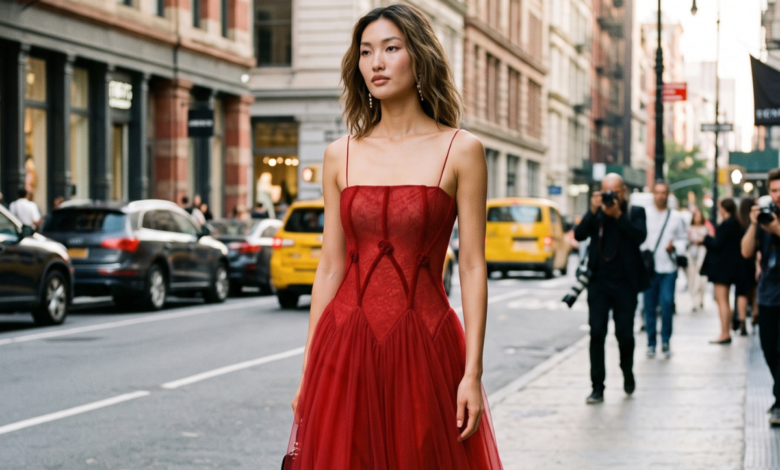
Others take the opposite approach. A fitted or corset-inspired bodice can extend closely over the waist and hips before releasing into a full skirt. This version works especially well for prom dresses and formal gowns because the lower skirt placement can make the transition into volume feel more dramatic.
There are also drop-waist minis, sleek column gowns, pleated midis, and styles with asymmetrical or curved waist seams. That variety is part of why the silhouette has lasted beyond a single runway moment. ELLE noted that the drop-waist dress had already been gaining popularity before continuing strongly through summer and fall 2026.
Drop Waist vs. Basque Waist
These two silhouettes are easy to confuse, especially because both can extend below the natural waist.
A drop waist generally moves the entire waist seam lower on the body. The seam may be straight, gently curved, or shaped, but the defining feature is its lower placement.
A basque waist usually has a more pronounced V or U shape that dips downward at the center of the torso. It often has a structured, corset-like effect and draws attention toward the center of the body.
Some modern dresses blur the line between the two. A fitted gown may have both a lowered seam and a pointed front, pulling elements from each silhouette. Looking at the actual construction of the bodice is often more useful than relying solely on the product name.
The Skirt Matters Just as Much as the Waist
Two drop-waist dresses can look completely different depending on what happens below the seam.
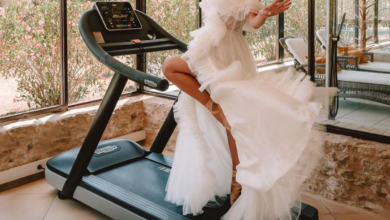
A full tulle or organza skirt creates contrast against an elongated fitted bodice. The result can feel dramatic and architectural, which works particularly well for prom, galas, and other formal events.
A softer chiffon skirt creates more movement and reduces the contrast between the bodice and skirt. Satin and crepe can create a cleaner, sleeker line, while beading, sequins, and appliqué add texture without changing the underlying proportions.
For an evening dress, it is worth looking at the entire silhouette rather than focusing only on the lowered waist. Fabric, skirt volume, neckline, and bodice structure all affect how the dress ultimately wears.

Fit Is Especially Important With a Drop Waist
A few inches can make a noticeable difference with this silhouette.
The seam should sit where the dress was designed to place it. If a fitted drop-waist gown is too short through the torso, the seam may ride higher than intended. If the bodice is too long, the seam can fall at an awkward point or create bunching around the hips.
This makes torso length an important consideration during fittings. Two people who wear the same dress size can experience the exact same gown differently depending on their proportions.
That does not mean the style is limited to one body type. The better question is where the waistline lands on your body and whether you like the proportion it creates. Trying different degrees of drop can be more useful than ruling the silhouette in or out altogether.
How to Style a Drop-Waist Dress
Because the lowered seam is already doing a lot of the visual work, styling can stay relatively simple.
Adding a belt at the natural waist can interrupt the elongated shape that makes the dress distinctive, so it often works better to let the original construction remain visible. Jewelry can follow the neckline rather than competing with the waist detail, particularly on dresses with corsetry, embellishment, or a dramatic skirt.
Shoes can also shift the overall mood. A sleek heel keeps a floor-length drop-waist gown refined, while a shorter cocktail dress can work with everything from delicate sandals to a more substantial platform depending on the fabric and event.
Most importantly, give the dress a little room to be the interesting part of the outfit.
Why the Drop Waist Feels Fresh Again
The drop waist offers something noticeably different after years of fashion emphasizing the natural waist, high rises, and sharply defined proportions. It changes the body’s visual lines without requiring an especially complicated dress.
That helps explain why designers have been able to adapt it across such different aesthetics. Vogue’s 2026 trend coverage highlighted both relaxed Jazz Age-inspired versions and more contemporary interpretations, while Chanel pushed the waist dramatically lower in its Fall 2026 collection.
For special-occasion shoppers, that variety is the real appeal. A drop-waist dress can feel romantic, minimal, dramatic, vintage-inspired, or thoroughly modern depending on everything surrounding that one lowered seam.
Browse NewYorkDress’s formal gowns, prom dresses, and evening dresses to compare silhouettes and see how different waist placements change the overall look. Shoppers in New York City can also book a private appointment to try different shapes and find the proportions that feel right in person.
Source link