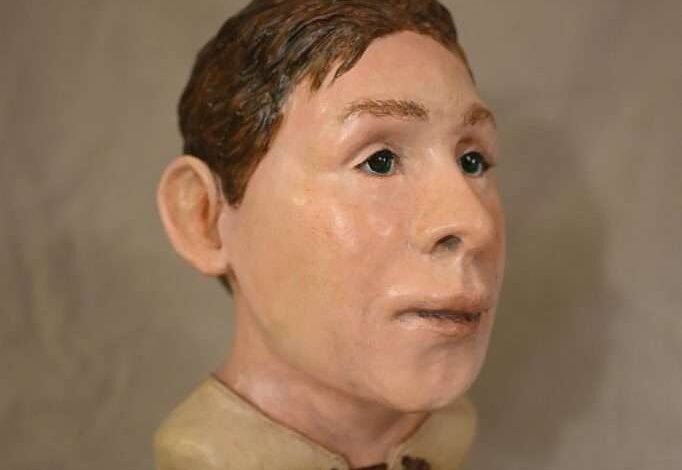
 The New York State Museum has unveiled a facial reconstruction of a Revolutionary War soldier whose remains were recovered from the Courtland Street Burying Ground in Lake George, NY.
Created by forensic artist Jenny Kenyon, the reconstruction depicts a young soldier believed to have been in his teens, offering a powerful new glimpse into the lives of the individuals who died while serving during the American Revolution.
On Friday the soldiers’ remains were laid to rest with honor at Lake George Battlefield Park, along with others found at the same time.
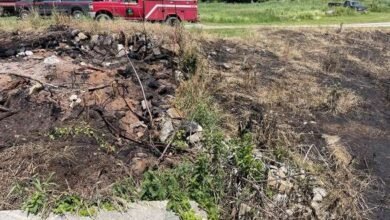
The Courtland Street Burying Ground was discovered in 2019 during construction work. Regimental buttons from one grave linked the cemetery to the 1775-1776 Invasion of Quebec.
In response, the New York State Museum and the Department of Environmental Conservation, with support from volunteers, launched a large-scale effort to respectfully recover the fragmented remains of more than 40 individuals whose graves had been disturbed.
Archeologists and other museum researchers have been working to reconstruct the stories of those buried there from thousands of recovered fragments. The new facial reconstruction is part of that work, transforming one set of remains into the face of a young person whose life was cut short nearly 250 years ago.
State Museum Curator of Bioarcheology Lisa Anderson said “while our work has focused on the more scientific aspects of reconstructing fragments of lives lived 250 years ago, artistry has brought one of these individuals into the present. This facial reconstruction further humanizes the remains that were found and serves as a striking reminder of those who fought for our independence.”
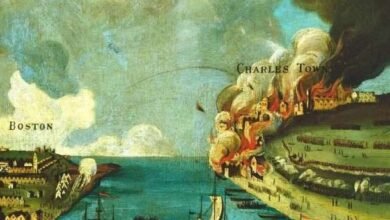
Launched in the fall of 1775, the Invasion of Quebec was a disastrous attempt by American forces to turn Quebec into a fourteenth colony. During their retreat in 1776, the army was overwhelmed by smallpox.
Sick and starving soldiers too ill to march were transported by boat to a makeshift hospital at Fort George at the southern end of Lake George, where hundreds perished and were buried in unmarked graves in the summer of 1776.
Many of the soldiers who took part in the Quebec Campaign were teenagers and young men in their twenties. More Revolutionary War soldiers died from illnesses like smallpox and typhus than from combat. Others who died in the campaign are buried at Fort Chambly in Quebec.
To create the reconstruction, Kenyon worked with faculty from Rensselaer Polytechnic Institute, using 3D-printed scans of the skull as the foundation for the sculpted and painted likeness.
After years of study, these remains were officially reinterred at the new “Repose of the Fallen” memorial site inside Lake George Battlefield Park.
Read more about the Invasion of Quebec.
Source link